
Non-destructive entry first, always - and we re-key Schlage, Kwikset, and Baldwin locks on the spot while you watch
You get a price before we start. It does not change when we arrive. No surprises.
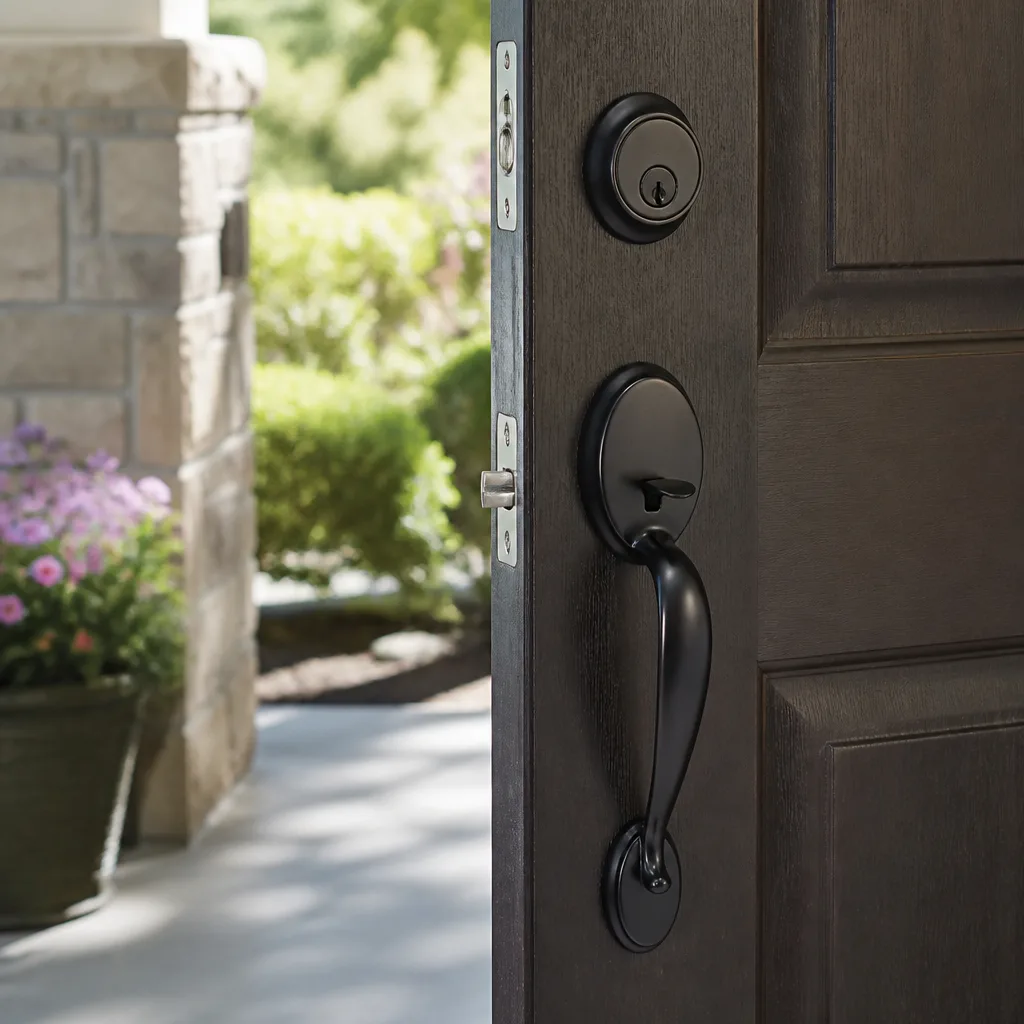
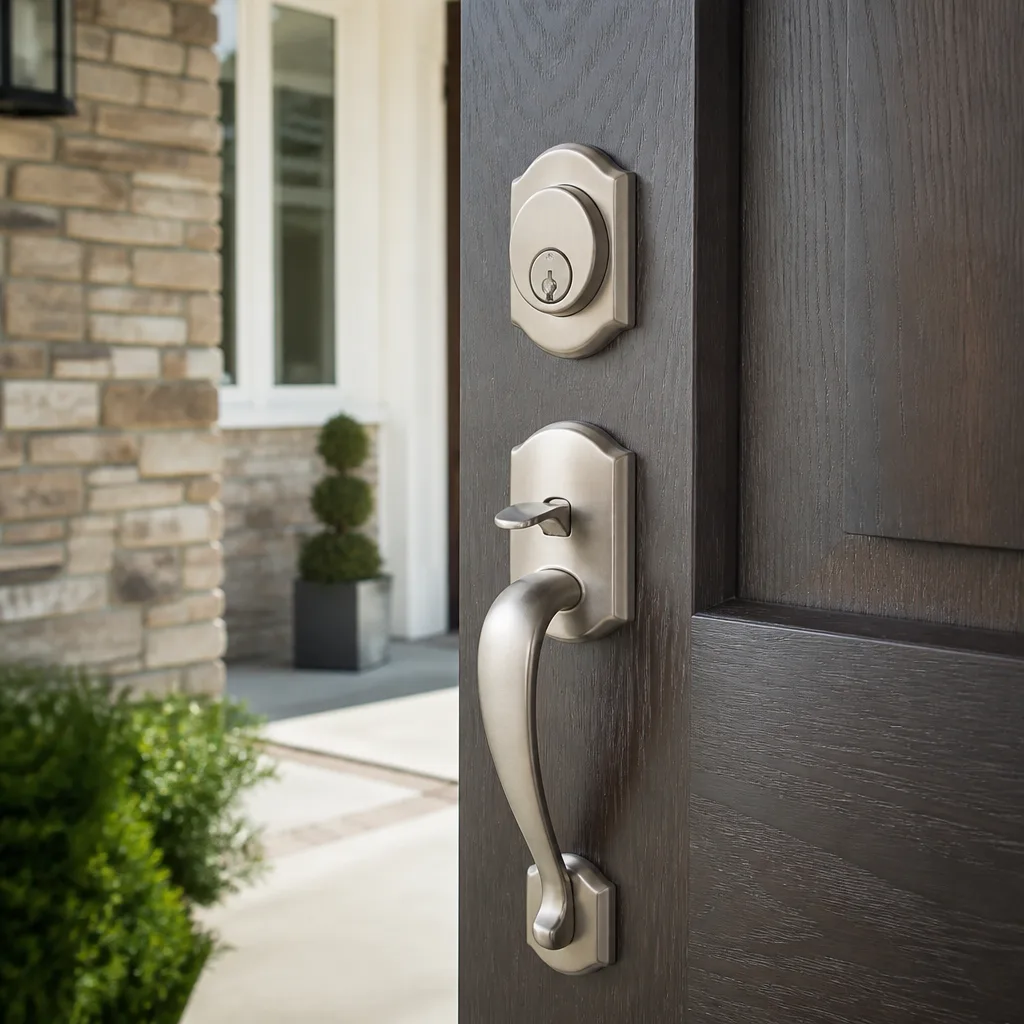
Baldwin Lock Rekeying: The New York Owner’s Guide
Baldwin lock rekeying in New York typically runs $45-$85 per cylinder for standard deadbolts and entry sets, and $75-$140 for high-security or smart-entry Baldwin hardware, with same-day service available across all five boroughs. We stock Baldwin-compatible pinning kits, cylinders, and key blanks on every van, and we quote the full price in writing before dispatching a technician. Most New York owners discover their Baldwin lock needs rekeying after a move, a lost key, or when the cylinder starts catching in cold weather - the brass pins inside swell and bind when humidity drops below 30 percent, which happens regularly in Manhattan and Brooklyn apartments from November through March.
Which Baldwin Models This Applies To
Baldwin hardware breaks into three main series that affect rekeying approach: the Estate line (solid brass construction, often marked “Baldwin 5000” or “6000” on the interior thumb turn), the Prestige line (zinc alloy cores with a different cylinder footprint, common in post-2015 construction), and the Reserve line (entry-grade with a removable core system). The Estate deadbolts use a .115-inch diameter cylinder pin chamber, while Prestige and Reserve lines run .108-inch - a difference that matters because mixing pinning kits produces sticky operation or premature wear.
To identify your series, remove the interior thumb turn and look for a stamped model number: Estate units show five digits starting with 5 or 6, Prestige shows “PS” prefix, Reserve shows “RE.” We carry OEM Baldwin cylinders and factory-matched Schlage-compatible aftermarket cores for the Reserve line, which accepts standard Schlage keyways. For Estate and Prestige hardware, we use genuine Baldwin pinning kits - the aftermarket equivalents we’ve tested don’t hold tolerance through New York’s freeze-thaw cycles, and we’ve documented enough callbacks to know the difference.
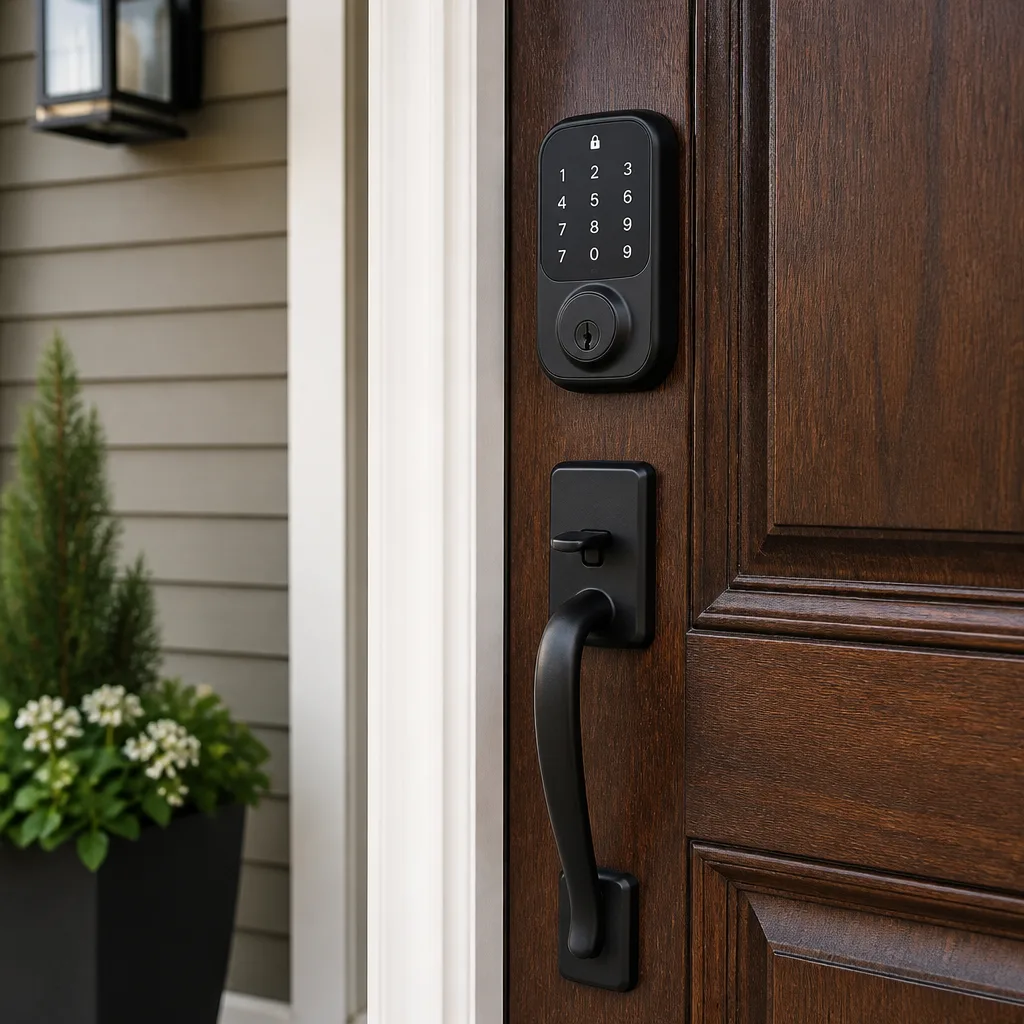
One compatibility gotcha: Baldwin smart-entry handlesets with the TouchScreen or Bluetooth module require a specific cylinder with a bypass slot machined at 15 degrees. Standard cylinders won’t seat, and forcing installation cracks the circuit board housing. We check this before quoting.
Signs Your Baldwin Lock Rekeying Is Failing
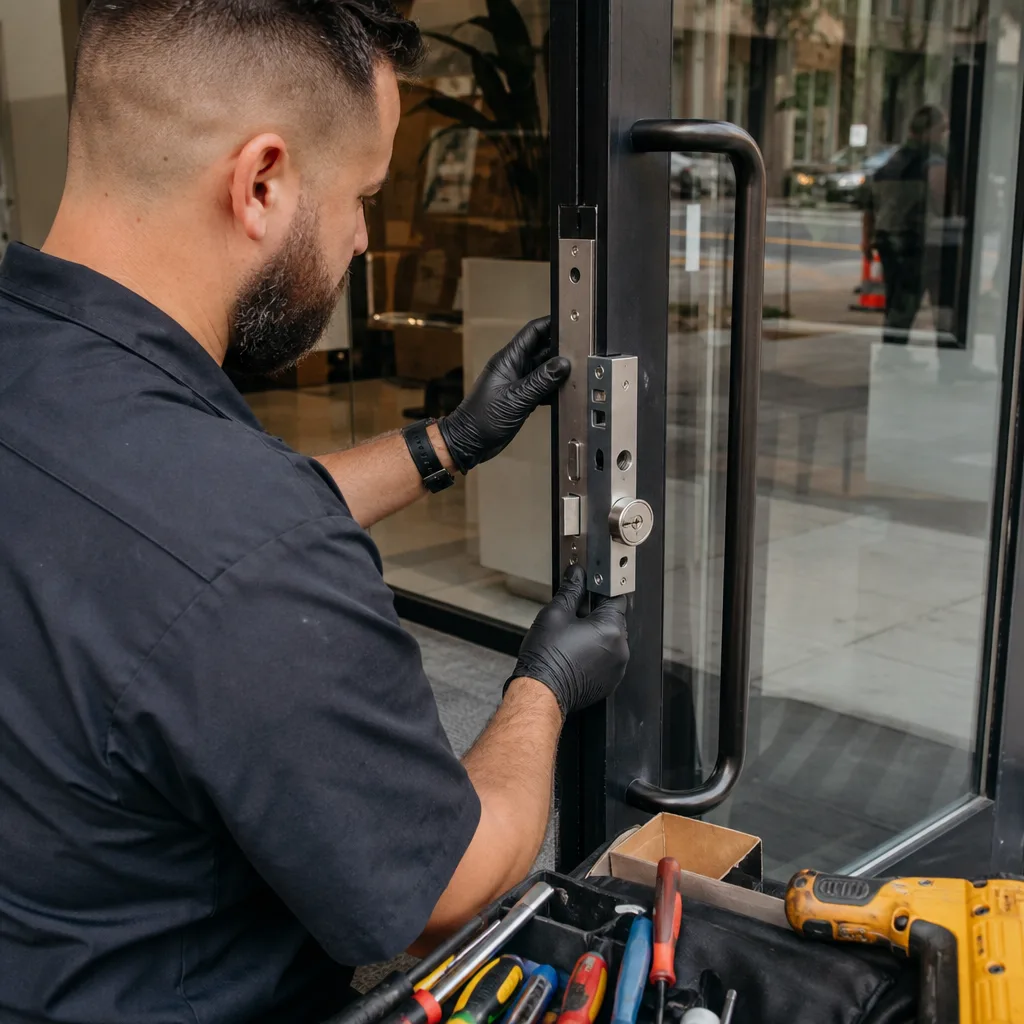
- Key sticks or requires jiggling at specific depths. This usually means one or more driver pins have developed a flat spot from repeated shear-line contact. In New York buildings with original Baldwin hardware from the 1990s or 2000s, we see this when owners have rekeyed multiple times and the pin chambers are wallowed slightly oversize.
- Key turns but bolt doesn’t retract fully. The tailpiece connecting cylinder to bolt mechanism has rounded edges, or the cylinder cam is worn. Baldwin uses a unique 180-degree double-throw cam on Estate deadbolts that isn’t interchangeable with standard aftermarket cams - a mismatch we find when previous locksmiths substituted generic parts.
- Difficulty inserting key in cold weather, fine in summer. Brass pins expand and contract with temperature; combined with dry winter air, micro-oxidation builds on pin surfaces. We see this in prewar Upper West Side and Park Slope buildings where steam heat drives indoor humidity below 20 percent for weeks.
- Key works from one side only. The cylinder has shifted in the door bore, or the set screw that locks cylinder to escutcheon has backed out. Baldwin’s set screw uses a #8-32 thread with a nylon patch - standard screws strip the housing.
- Recent rekey by another locksmith, now failing again within months. Incorrect pin lengths, wrong springs (Baldwin uses .030-inch music wire, heavier than Kwikset’s .025-inch), or lubrication with graphite that clogs in humid summer months. We find this on roughly one in four callback jobs in Queens and the Bronx.
Replacement Cost & What’s Included
| Service | Price Range | What’s Included |
|---|---|---|
| Standard Baldwin cylinder rekey (Estate/Prestige/Reserve) | $45-$85 | Disassembly, pin replacement, 2 new keys, function test, photo record |
| High-security Baldwin rekey (Medeco-compatible cylinder) | $75-$140 | Specialized pinning, sidebar adjustment, 2 keys, written security audit |
| Cylinder replacement + rekey (damaged or worn chamber) | $120-$195 | New OEM or matched cylinder, installation, rekey to new code, 3 keys |
| Full handleset rekey (multiple cylinders keyed alike) | $35-$55 per additional cylinder | Master keying available, all cylinders matched to single key |
What drives the range: cylinder type (standard vs. high-security), accessibility (mortise cylinders in commercial doors take longer than rim cylinders), and whether we need to replace worn components or just repin. Every quote includes parts, labor, and the 365-Day Done Right Promise. Haven Standard Clause 1 applies: the price on the phone is the price on the invoice. No dispatch fee, no “trip charge” added at the door. We leave you with the written scope, the photo record, and the warranty card.
DIY or Call Us?
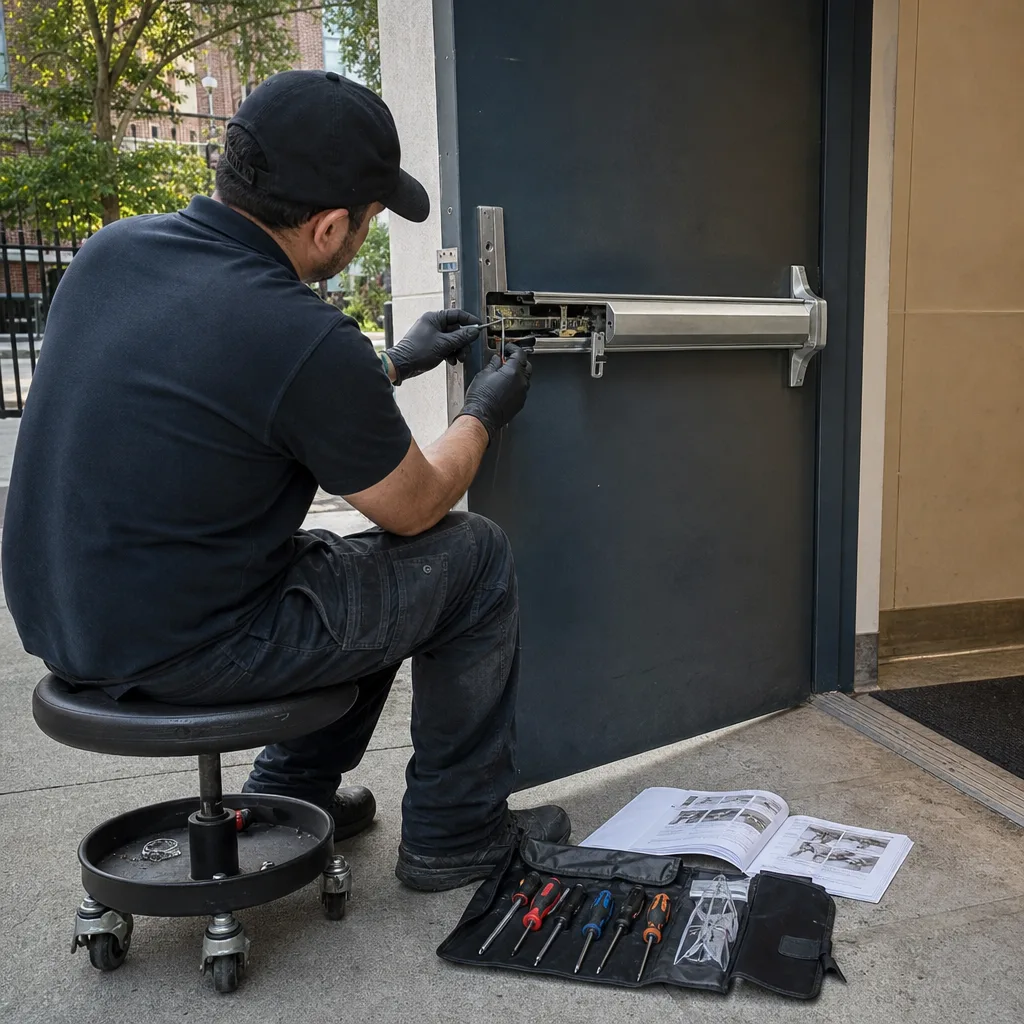
Here’s what you can safely check yourself: verify the key isn’t bent or worn (hold it flat against a straightedge), confirm the strike plate isn’t obstructing the bolt, and try a light application of Houdini or Tri-Flow lubricant - not WD-40, which gums up in Baldwin’s tight tolerances. If the cylinder still binds, stop there.
Rekeying a Baldwin cylinder requires a pinning kit with the correct pin diameter, a follower tool sized to the chamber, and a key decoder. More critically, it requires knowing the shear-line tolerance for your specific series - too tight and the key won’t turn smoothly, too loose and the lock picks with a bent paperclip. We’ve opened enough DIY attempts in New York to know the failure pattern: pins launched across the kitchen floor, springs bent by improvised tools, cylinders reassembled with one pin chamber empty because the owner didn’t know to count the holes. The cylinder contains compressed springs under tension; they release without warning when the plug is removed. We carry safety glasses and a magnetic parts tray for a reason.
Call (551) 214-0800. We’ll quote the exact price for your model, and if you have a competitor’s written estimate, we’ll review it free under our Second Opinion policy.
FAQs
In New York’s climate, a properly done Baldwin rekey lasts 8 to 12 years for residential use, or 3 to 5 years in high-traffic commercial settings. Humidity swings and key duplication quality are the main variables - poorly cut duplicate keys wear pins faster than the original factory key.
If the cylinder chambers are unworn and the cam/tailpiece is intact, repinning restores function at roughly half the cost of full cylinder replacement. We inspect both before quoting and tell you which path applies. Call (551) 214-0800 and we’ll walk through what we found.
Most residential Baldwin rekeys take 20 to 40 minutes per cylinder. Mortise cylinders in commercial doors add 15 to 25 minutes for disassembly of the lock body. We stock standard and high-security pinning kits on every van, so there’s no return trip for parts.
We stock Baldwin-compatible cylinders, pinning kits, and key blanks on every New York van, including the .115-inch Estate and .108-inch Prestige/Reserve pin diameters. For discontinued Baldwin models, we machine adapters or source NOS inventory - we don’t leave you waiting on a warehouse shipment. Name’s on the van. That’s the whole pitch.
Written by Daniel Novak, Owner, Novak Lock & Security New York at Novak Lock & Security New York, serving New York and nearby areas.