
Non-destructive entry first, always - and we re-key Schlage, Kwikset, and Baldwin locks on the spot while you watch
You get a price before we start. It does not change when we arrive. No surprises.
Sargent Access Control Systems in New York: What to Know First
We provide independent Sargent access control systems service in New York, from single-family homes in Park Slope to co-op buildings on the Upper West Side. Most Sargent access control calls are scheduled within one business day, with emergency response available when the system is completely down. A standard Sargent keypad or card reader repair typically runs $280-$520, quoted in writing before we dispatch - Haven Standard Clause 1, no exceptions.
This page is for property owners and building managers who need Sargent hardware serviced, upgraded, or integrated into a larger access system. If your Sargent KP-10 keypad won’t accept codes, your card reader is flashing red on every credential, or you’re trying to bridge Sargent locks with a new building management system, we can name the part and the price on the phone. Call (551) 214-0800.
How Sargent Products Fail - and How We Fix Them
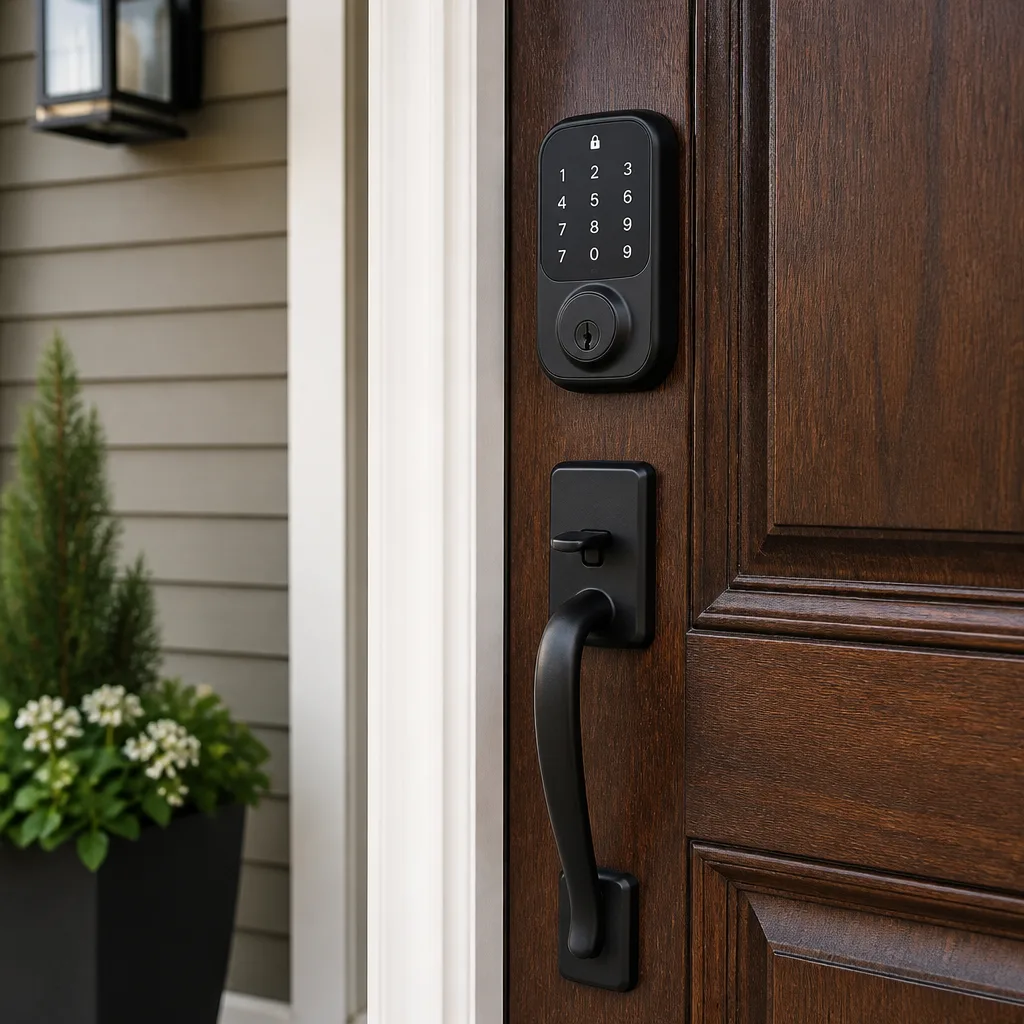
- KP-10 and KP-2000 Series Keypads: Worn Membrane Switches. The rubberized button matrix beneath the keypad face degrades after roughly 8-12 years of New York humidity cycles, especially in pre-war buildings with inconsistent HVAC. The symptom is intermittent code acceptance - you press “5” and get a “2” register, or the fifth digit drops entirely. We replace the membrane switch assembly with an OEM Sargent part or a tested aftermarket equivalent, then recalibrate the backlit display threshold so the owner sees clean feedback in dim lobby conditions.
- 8 Line Cylindrical Locks with Proximity Readers: Reader Coil Separation. The proximity coil, laminated between the escutcheon and the lock body, delaminates from repeated door-slam vibration common in high-traffic New York entryways. The card reads fine on a bench test but fails at the door. We diagnose this with a handheld HID test card and a torque check on the mounting screws - if the coil has shifted more than 2mm, we reseat with fresh potting compound or replace the escutcheon assembly. Aftermarket coils exist but we default to Sargent OEM on this component; the antenna tuning is too specific.
- XC Series Exit Devices with Electric Latch Retraction: Solenoid Burnout from Low-Voltage Sag. New York buildings running 24VDC over long wire runs often see voltage drop below 19V at the device, especially in older conduit shared with fluorescent ballasts. The solenoid chatters instead of retracting cleanly, then overheats and shorts. We meter the supply at the device under load, calculate the actual drop, and spec either a local power booster or a heavier-gauge homerun back to the panel. The fix isn’t always the solenoid - sometimes it’s the building’s wire.
- Signature Series Mortise Locks with Integrated Readers: Firmware Lockout After Power Events. These locks store credential tables in volatile memory during programming mode; a brownout during enrollment corrupts the database and leaves the lock in factory-default state, rejecting all cards. We see this after Con Edison voltage fluctuations in Queens and the Bronx more than anywhere else. Recovery requires a direct RS-485 connection to Sargent’s legacy SNET tool or a factory reset and full re-enrollment - we bring both the cable and the patience.
- 10X Line Rim Cylinders in Access-Controlled Storeroom Function: Tailpiece Wear Misaligning the Clutch. The brass tailpiece that couples the cylinder to the lock chassis develops a flat spot where it engages the clutch mechanism. The key turns, the reader beeps green, but the latch doesn’t retract because the clutch slips on the worn tailpiece. We mic the tailpiece wear and replace with a hardened steel aftermarket equivalent - Sargent doesn’t sell the tailpiece separately, only the full cylinder - but we document the substitution in the job record per Haven Standard Clause 4.
Our Sargent Access Control Systems Process
- 1
Call and scope. We ask for the model number off the lock or reader face, the symptom, and the building voltage. The dispatcher quotes a firm price range - no “tech will assess on site” hedge. Haven Standard Clause 1: the price on the phone is the price on the invoice.
- 2
Dispatch with parts. We stock KP-10 membranes, 8 Line proximity escutcheons, XC solenoids, and the common tailpieces. For firmware issues, the technician carries the SNET cable and a laptop with Sargent’s utility suite. Background-checked, uniformed, photo-recorded at arrival.
- 3
Field diagnosis. We meter voltage, test cards, and cycle the hardware under load. We tell you what we found - “solenoid draws 3.2A, spec is 2.1A, it’s cooked” - before we name the fix.
- 4
Repair with OEM or documented aftermarket. If we substitute a non-Sargent part, we note the manufacturer and part number in the written record you receive. No mystery components.
- 5
Function test and handoff. Every credential type enrolled in the system gets tested at the door: card, fob, keypad code, override key. We leave a documented photo record and a written warranty statement. 365-Day Done Right Promise applies.
What Sargent Access Control Systems Costs in New York
| Service | Typical Range | What Moves the Price |
|---|---|---|
| KP-10 / KP-2000 keypad membrane replacement | $280-$380 | OEM vs. aftermarket membrane; whether the backplate needs re-drilling |
| 8 Line proximity escutcheon replacement | $340-$520 | Reader technology (125kHz Prox vs. 13.56MHz iCLASS); finish match |
| XC exit device solenoid + voltage correction | $420-$680 | Local power supply addition; wire run length to panel |
| Signature Series firmware recovery / re-enrollment | $380-$560 | Credential count; whether SNET connection is accessible at the door |
| 10X tailpiece replacement (aftermarket) | $180-$260 | Cylinder removal difficulty; tailpiece spec (standard vs. extended) |
These are installed prices, quoted in writing before we start. No call-out surcharge, no “trip fee” added at the door. If you have a competitor’s written estimate, we’ll review it free - Haven Standard Clause 7. Call (551) 214-0800 for an exact quote on your specific Sargent hardware.
Why New York Homeowners Call Novak Lock & Security New York for Sargent Work
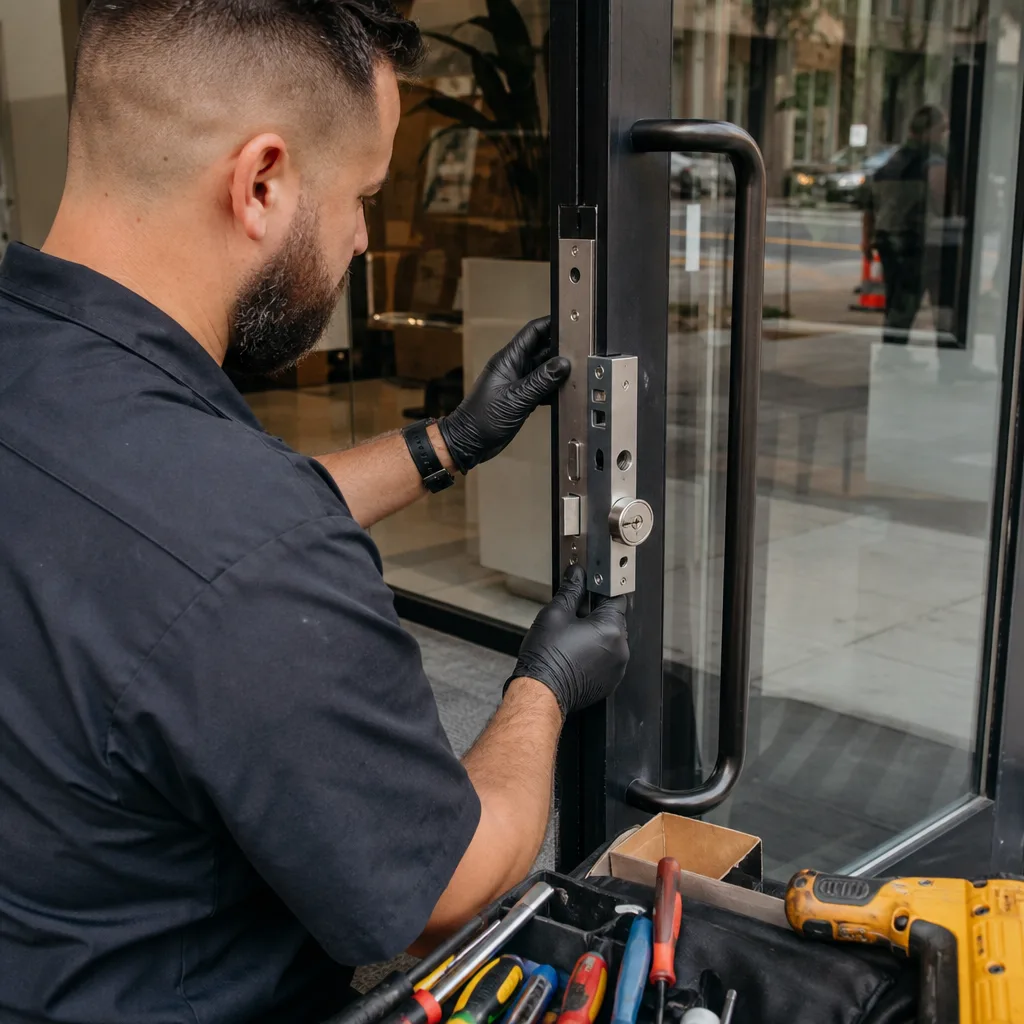
We’ve installed or serviced over 60,000 locks, keys, and access systems since 2002, and Sargent hardware shows up in enough New York buildings that we stock the parts instead of ordering them. Daniel Novak picked up the trade at Los Angeles Trade-Technical College and has spent the better part of three decades working on the actual hardware these buildings use - from apartment buildings off the Grand Concourse to commercial storefronts in Midtown. When your Sargent system needs a part we don’t have in the van, we also work with Schlage, Kwikset, and Medeco lines, so we’re not forcing a Sargent solution where another brand fits better. Name’s on the van. That’s the whole pitch.
Every visit: uniformed technician, documented photo record, written price before work starts, 365-Day Done Right Promise. Calls answered by a live person, 24/7.
FAQs
No - as an independent Sargent service provider, we use OEM parts where the warranty is still active and document everything. Sargent’s warranty covers manufacturing defects, not service work, and using a qualified independent technician does not void it. We note the install date and part serial numbers in your job record so any future warranty claim has the paper trail it needs. Call (551) 214-0800 if you want us to check your warranty status before we book.
We stock the common failure parts - KP membranes, proximity escutcheons, XC solenoids - in our New York inventory. Specialty finishes or discontinued series like the original SNET-era Signature locks may need 2-3 business days. We’ll tell you which category your part falls into when you call, not after we arrive. For emergency situations where the building is unsecured, we can often implement a temporary mechanical override same-day while the electronic component ships.
Repair makes sense when the hardware is under 15 years old, the failure is isolated to one component, and the credential format is still supported. Replace when you’re running obsolete SNET firmware, the building needs mobile credentials, or repair costs exceed 60% of a new unit installed. We’ll give you both numbers on the phone - repair price and replacement price - so you decide with the facts. Free estimate either way.
Yes, within the limits of the hardware generation. Current Sargent locks with BLE and Wi-Fi modules integrate with most mainstream platforms. Legacy KP-10 and early Signature series require a protocol bridge - we spec and install those, but we also tell you when the bridge costs more than the lock is worth. We don’t sell integration dreams to owners of 20-year-old hardware.
Yes. Haven Standard Clause 1: the price on the phone is the price on the invoice. The only way it changes is if you add work after we quote - “while you’re here, can you also rekey the basement door?” - and even then, we quote the addition in writing before we do it. No exceptions since 2002. Call (551) 214-0800 for your Sargent access control quote.
Written by Daniel Novak, Owner, Novak Lock & Security New York at Novak Lock & Security New York, serving New York and nearby areas.