
Non-destructive entry first, always - and we re-key Schlage, Kwikset, and Baldwin locks on the spot while you watch
You get a price before we start. It does not change when we arrive. No surprises.
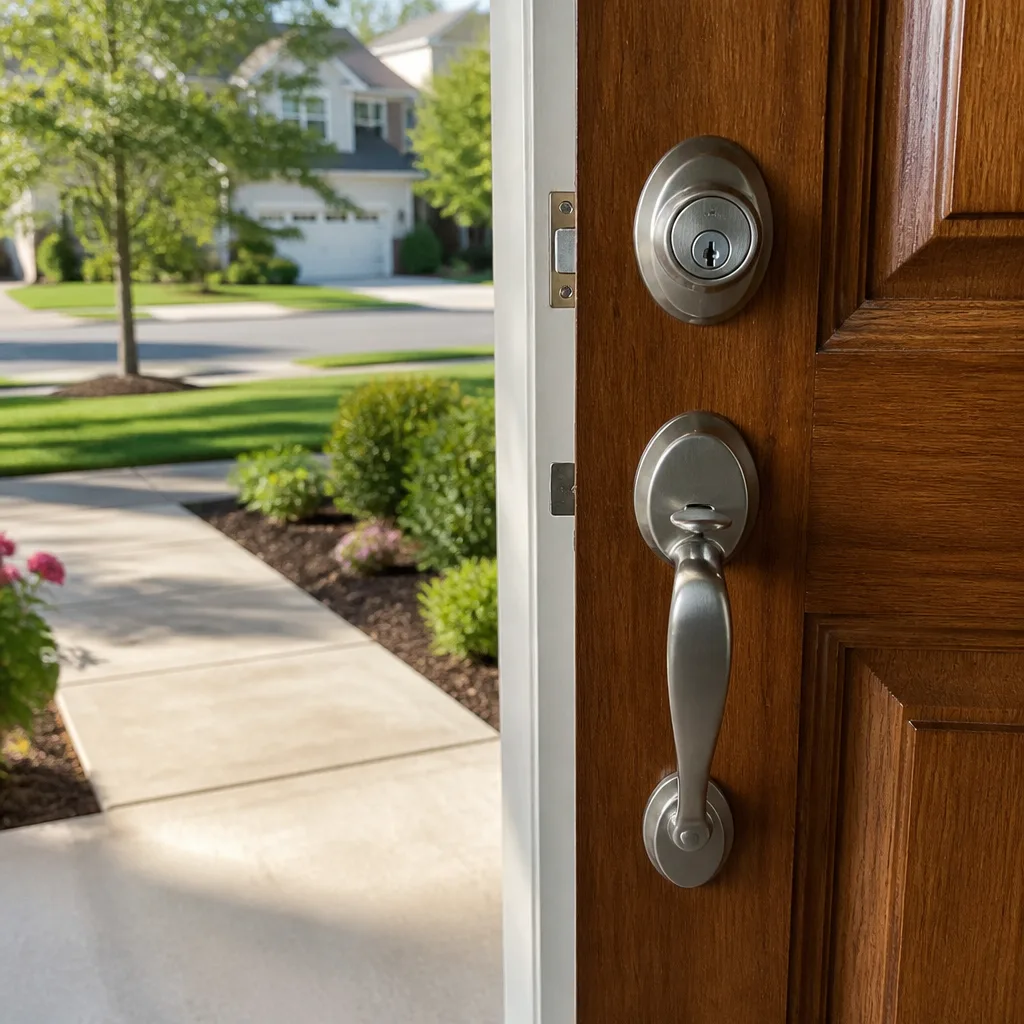
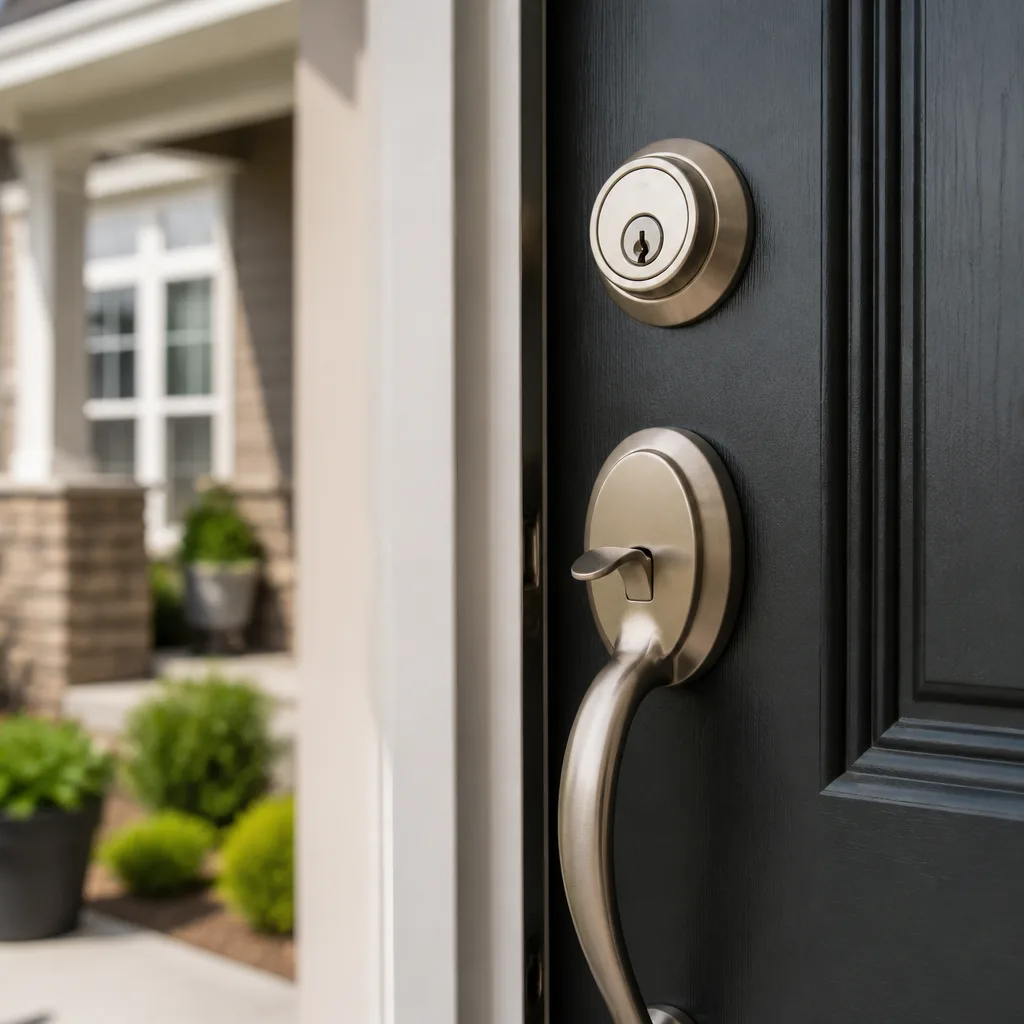
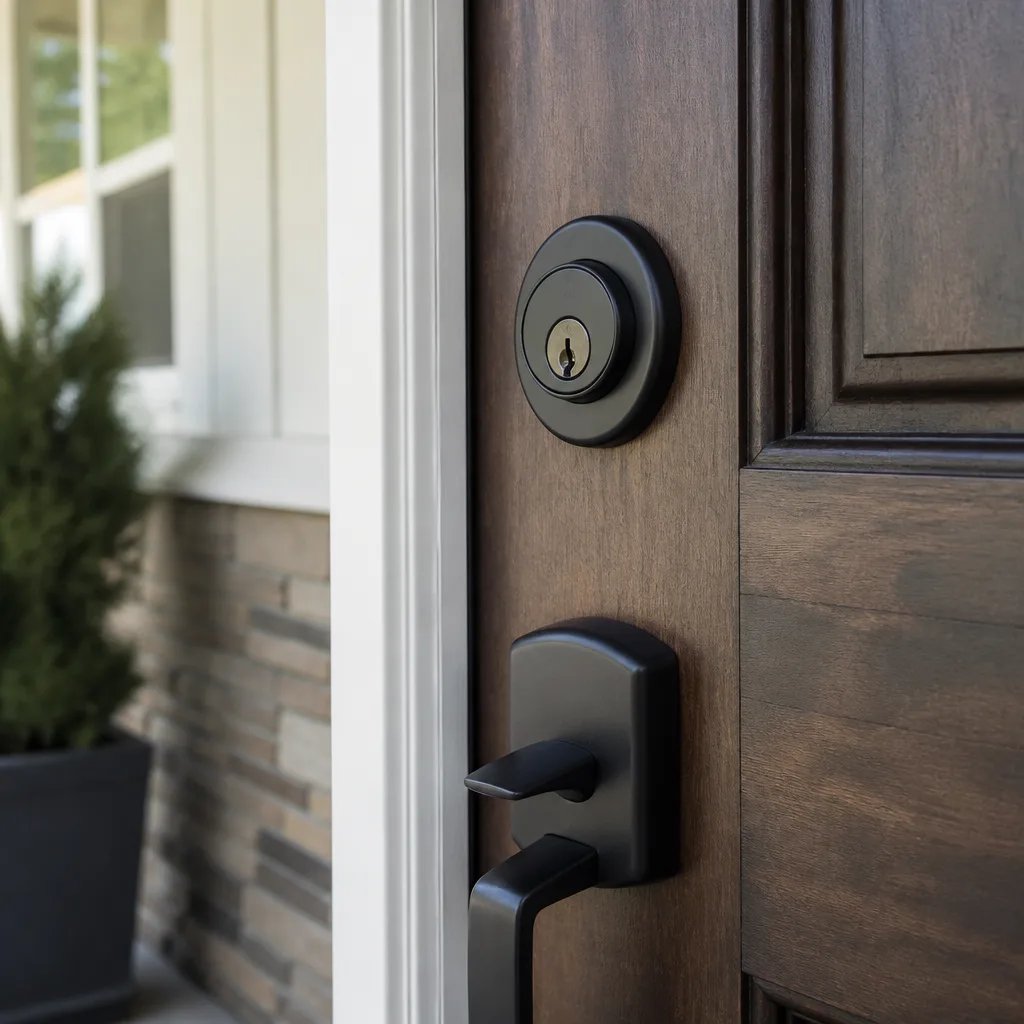
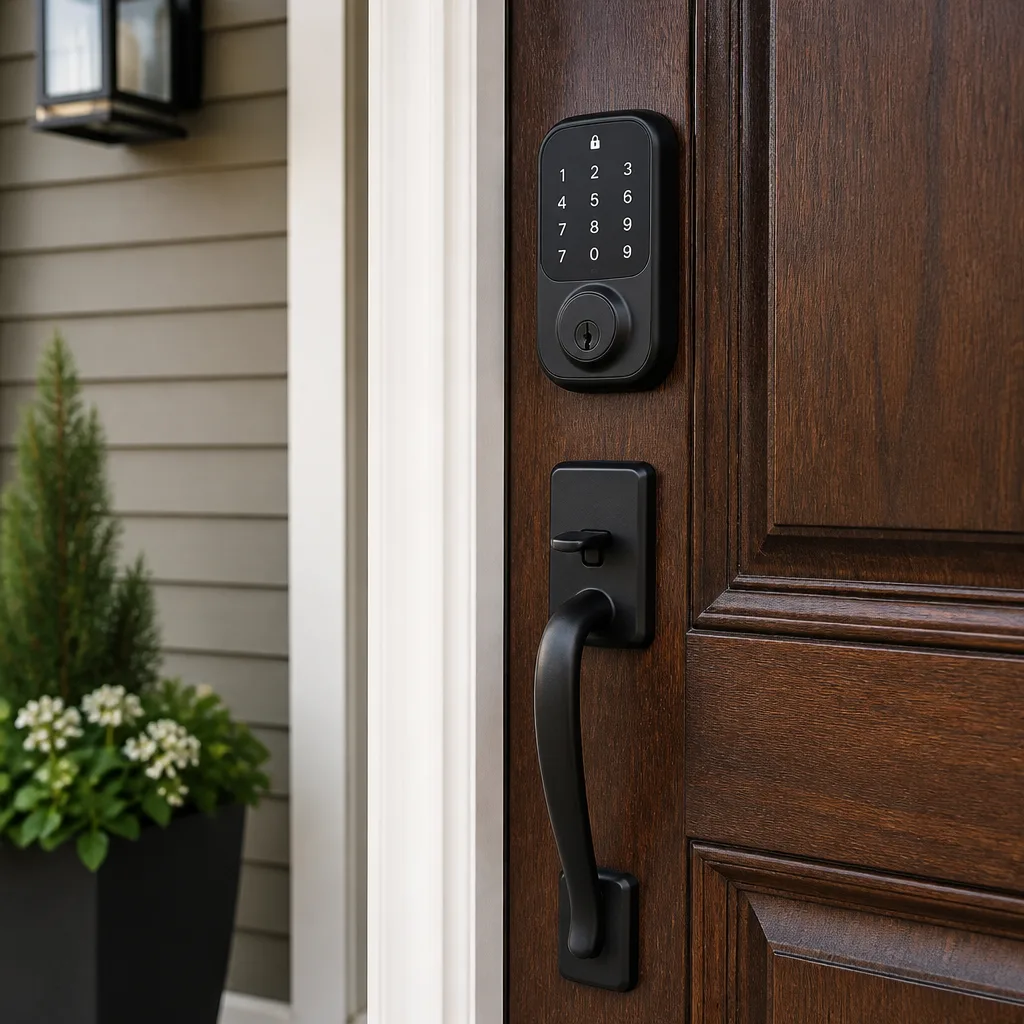
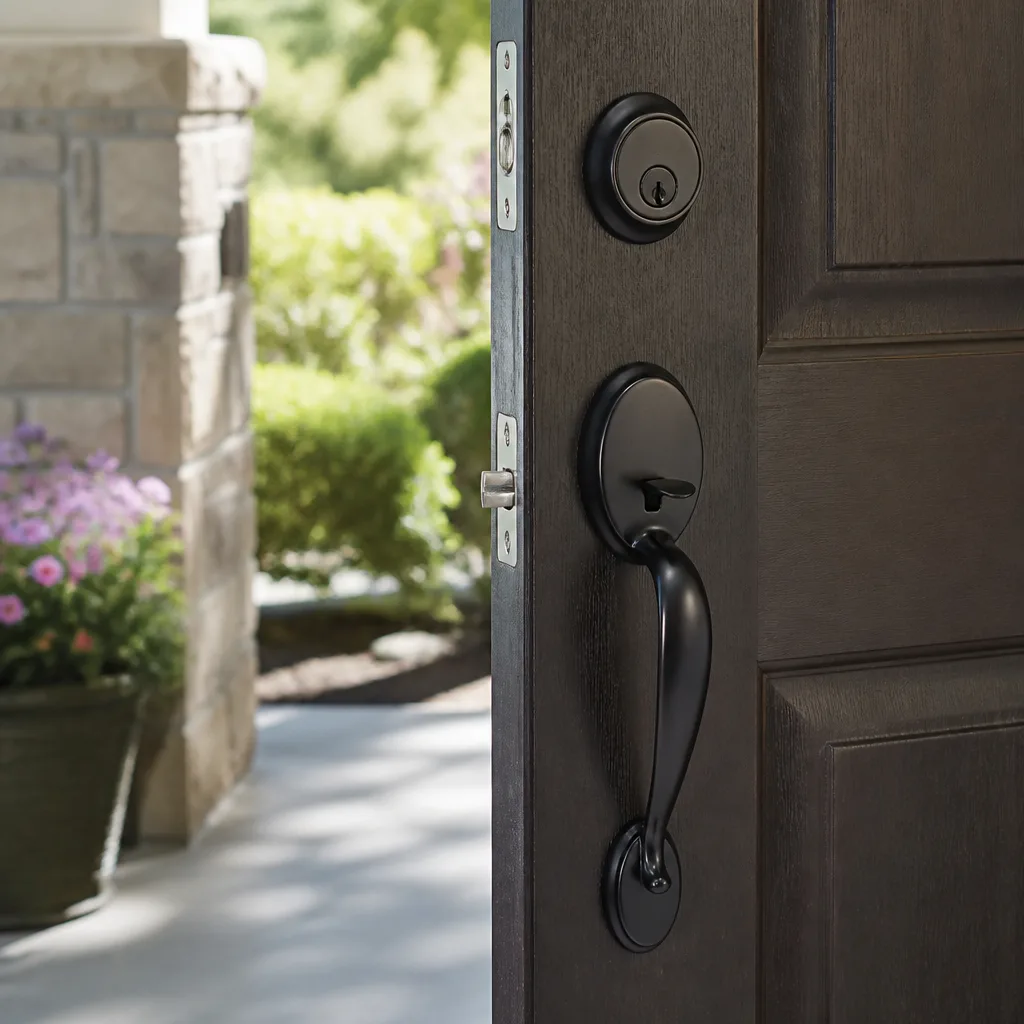
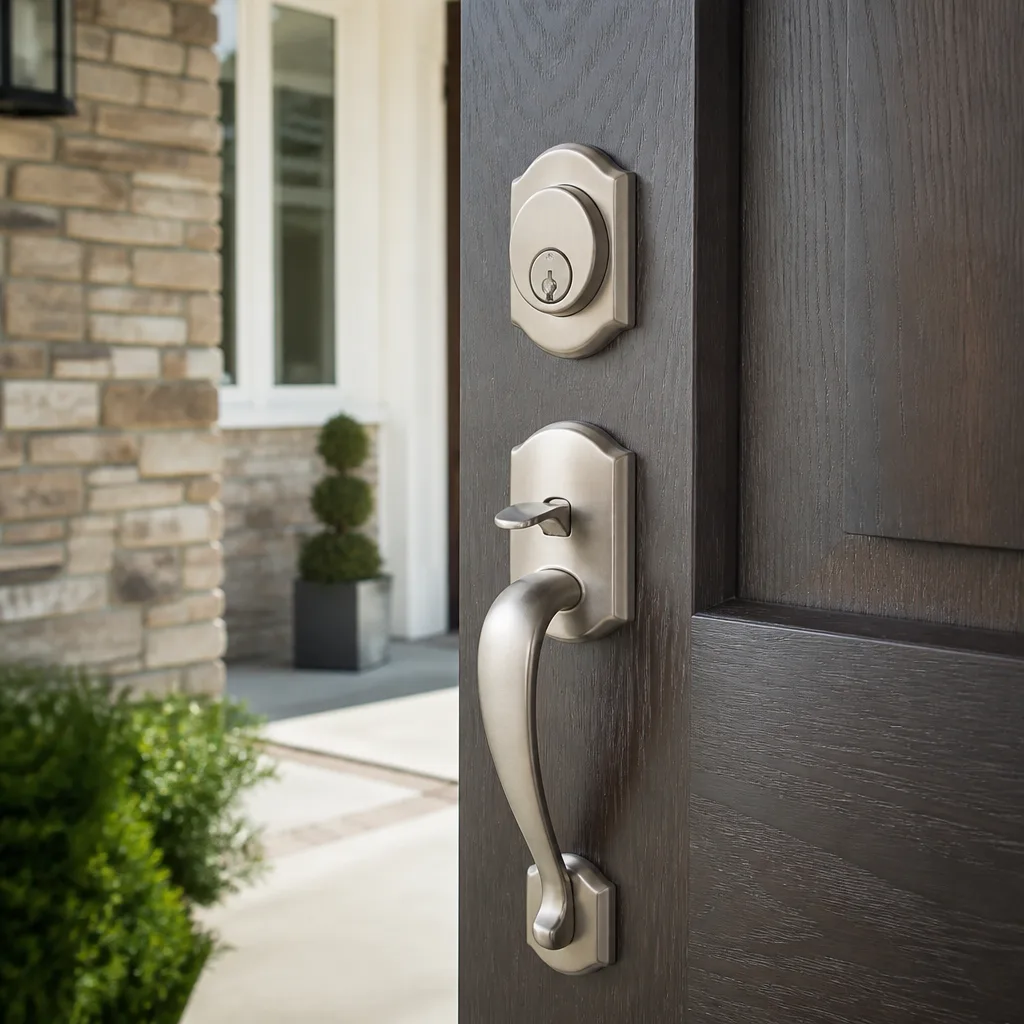
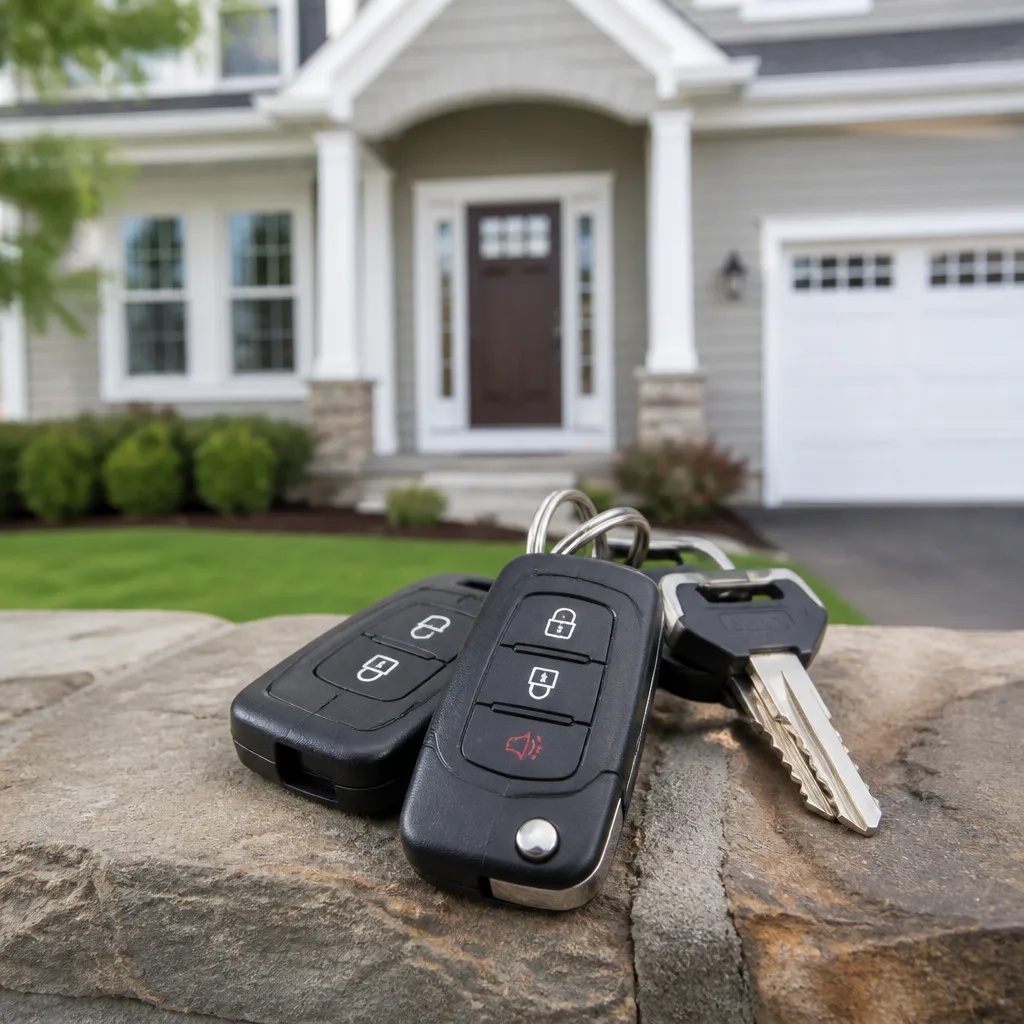
Schlage Master Key Systems: The New York Owner’s Guide
Schlage master key system installation in New York typically runs $340-$780 per building cylinder set, depending on the keying hierarchy and whether we’re retrofitting existing Schlage hardware or installing fresh. We stock Schlage-compatible master pins, cylinders, and key blanks on every truck, and most residential and small commercial jobs in New York are completed same day. Most owners discover their system has failed when a sub-master key suddenly opens a door it shouldn’t, or when a change key stops working in one cylinder but still turns in another - both point to pin wear or a master pin that has slipped or sheared.
Which Schlage Models This Applies To
Schlage master key systems are built on three core cylinder platforms, and identifying yours takes about thirty seconds with the key out. The Classic line (SC1 keyway, .495″ plug diameter) is the most common in pre-2010 New York apartment buildings. The Primus and Primus XP add a side-bit milling for pick resistance and use a thicker key blank - if your key has a groove cut along the side, you’re in this family. The Everest series uses a patented undercut keyway (check for the “E” stamp on the bow) and is increasingly common in newer Bronx and Queens conversions.
Master keying works by stacking extra master pins above the standard driver pins, creating multiple shear lines. On Classic cylinders, we typically see master pin stacks of 2-4 pins per chamber; Primus adds the side-bar requirement, which means master keying must be coordinated across both the pin stack and the side-bit milling. We carry OEM Schlage master pin kits (part 40-119 for Classic, 40-129 for Everest) and equivalent precision aftermarket pins from LAB and HPC. For buildings with mixed generations, we often source Schlage FSIC (full-size interchangeable core) housings so future rekeys don’t require disassembling the door hardware. One New York-specific gotcha: many 1960s-era brick apartment buildings in Washington Heights and Inwood have Schlage L-series mortise locks with aftermarket cylinders crammed in. The cylinder length is often wrong, the cam doesn’t align, and the master keying math fails because the pin stack depth is off by .015″. We measure plug diameter, cam offset, and tailpiece length before quoting - Haven Standard Clause 3: document before you dispatch.
Signs Your Schlage Master Key System Is Failing
- Key works in some cylinders but not others. This usually means a master pin has sheared or worn to a partial height, creating an inconsistent shear line. In New York’s humidity cycles - summer basements hitting 80% RH, winter radiator heat dropping air moisture to 15% - brass pins oxidize and bind, then fracture under torque.
- Sub-master key opens doors outside its hierarchy. When a lower-level key suddenly turns where it shouldn’t, a master pin has slipped below its chamber or a chamber was improperly pinned during the last rekey. We’ve found this in Flushing commercial buildings where three different locksmiths had added cylinders over a decade without updating the master key chart.
- Key requires jiggling or heavy pressure to turn. Multiple shear lines from worn master pins create false gates; the key lifts pins to an almost-correct height but not quite. The user compensates with force, which mushrooms the key blade and damages the plug further.
- New keys cut from code don’t match old key function. If a fresh-cut change key works differently than the original it replaced, the master key chart has drifted - someone rekeyed a cylinder without updating the bitting list, or the original pinning schedule was never properly documented. We see this in inherited brownstone rentals in Bed-Stuy and Crown Heights regularly.
- Key extraction leaves brass shavings on the blade. Worn master pins chip; the debris scores the plug and keyway. In coastal Queens and Brooklyn buildings near the water, salt air accelerates this - we’ve opened cylinders where the pin chambers were packed with green corrosion dust that had the consistency of talc.
Replacement Cost & What’s Included
Here’s how we price Schlage master key system work in New York:
| Service | Typical Range |
|---|---|
| Single-cylinder master key rekey (Classic/SC1) | $85-$140 |
| Single-cylinder master key rekey (Primus or Everest) | $140-$220 |
| New master key system design (1-4 levels, up to 10 cylinders) | $340-$580 |
| Large building system (10+ cylinders, complex hierarchy) | $580-$780+ |
| FSIC core swap with new master pinning | $95-$165 per core |
The range reflects three variables: the complexity of the keying hierarchy (a simple master/change-key setup vs. a three-level grand master system), whether we’re working with existing Schlage hardware or replacing incompatible cylinders, and travel to outer-borough locations without subway access. Every price is quoted in writing before we leave the shop - Haven Standard Clause 1 - and that written price is the price on the invoice. No dispatch fee, no “service charge” added at the door. Parts carry a 90-day defect warranty; labor is covered by our 365-Day Done Right Promise. You receive the completed master key chart, a documented photo record of each cylinder’s pinning, and a written scope before we start.
DIY or Call Us?
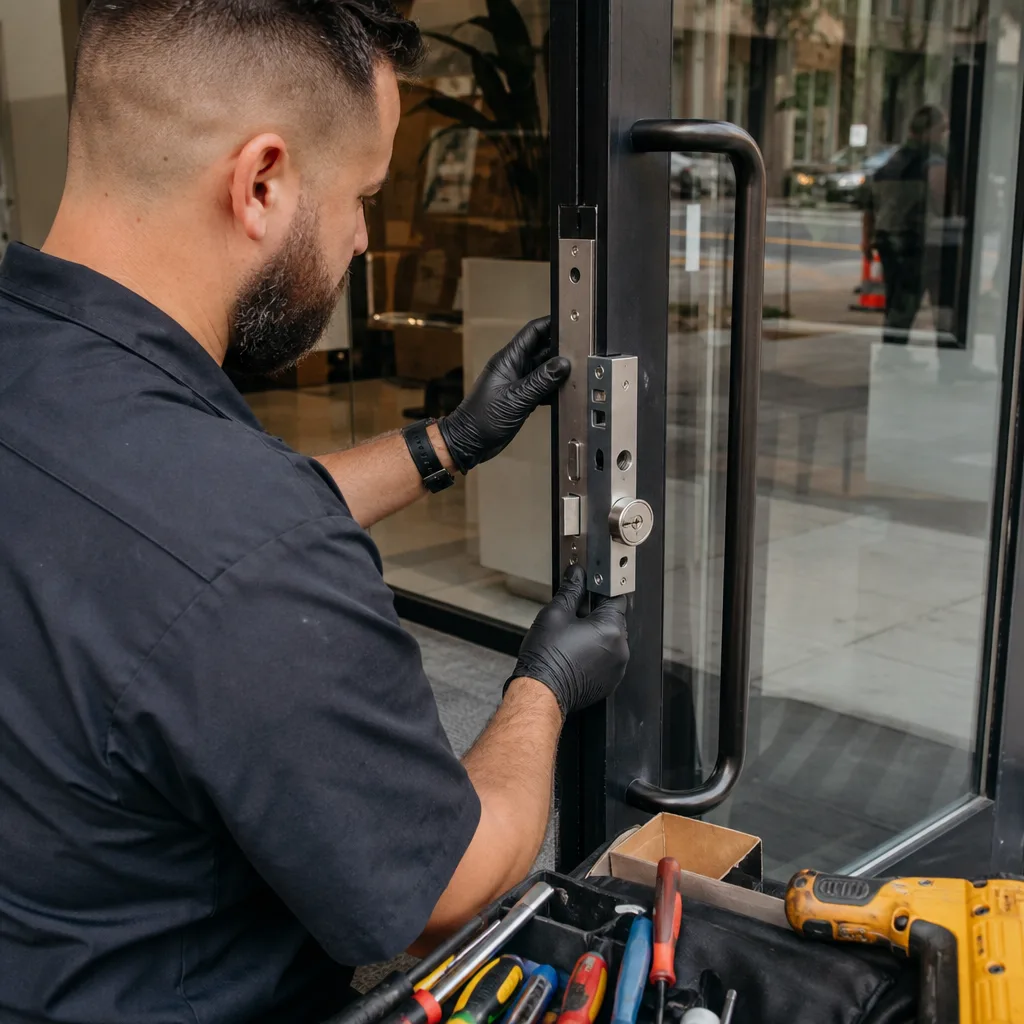
There’s exactly one thing a building owner can safely check: verify that the keyway isn’t obstructed with debris or a broken key fragment. Shine a light in, use compressed air if you have it, try a different key cut from the same bitting.
Everything else - disassembling the cylinder, removing pins, measuring for master pin heights - requires a pinning kit, a key decoder, and a current bitting list. Get the math wrong and you’ve created a security hole: a change key that opens the master suite, or a master key that doesn’t open anything at all. Worse, Schlage Primus and Everest side-bar systems need factory-authorized blanks; a standard key machine will cut the bitting but miss the side milling entirely. We’ve been called to Park Slope and Astoria buildings where a handyman’s “simple rekey” left four apartments keyed alike to the superintendent’s master. The fix cost more than the original professional job. If your master key chart is missing, if you don’t know your keyway series, or if more than one cylinder is acting up, call us at (551) 214-0800. We’ll quote the scope in writing and show you the pinning before we button it up.
FAQs
In New York’s climate, a properly maintained Schlage master key system typically lasts 15-25 years before pin wear affects reliability. Buildings with high tenant turnover - annual rekeys wear chambers - tend toward the shorter end. Coastal exposure and radiator heat cycling accelerate brass fatigue. Call (551) 214-0800 and we’ll assess your current pinning condition against the bitting list; estimates are free.
Often yes, if the cylinder bodies and keyways are intact. We can repin existing Schlage cylinders to a fresh master key chart, replace worn master pins individually, or cut new keys to restore function without touching the door hardware. Replacement becomes necessary when chambers are wallowed, cams are cracked, or the original bitting list is lost and can’t be reconstructed. We quote both paths in writing before starting - call (551) 214-0800.
A standard residential or small commercial setup - up to six cylinders with a two-level hierarchy - takes 2-3 hours on site in New York, including testing every key against every cylinder and documenting the pinning. Larger buildings or systems requiring new FSIC housings may need a return visit; we schedule those with a written scope and flat per-lock pricing, not hourly rates.
Yes. Every Novak truck carries Schlage Classic, Primus, and Everest master pin kits, key blanks, and FSIC cores. For uncommon configurations - Schlage L-series mortise cams, obsolete Everest 29 keyways - we source same-day from our Queens supply house. Daniel Novak keeps a running inventory of what each borough’s building stock actually uses, not just what the warehouse catalogs. Name’s on the van. That’s the whole pitch.
Written by Daniel Novak, Owner, Novak Lock & Security New York at Novak Lock & Security New York, serving New York and nearby areas.