
Last updated September 25, 2026
Non-destructive entry first, always - and we re-key Schlage, Kwikset, and Baldwin locks on the spot while you watch
You get a price before we start. It does not change when we arrive. No surprises.
Locksmith Cost Breakdown: The New York Homeowner’s Reference for 2026
A “high-security lock upgrade” quoted at $450 in Manhattan might involve a Grade 1 deadbolt that retails for $65 and 20 minutes of installation. The markup is not illegal, but you cannot evaluate it if you do not know the component costs. In this guide, we publish the actual cost structure behind five common residential locksmith jobs in New York, explain how borough and neighborhood affect what you pay, and show you how to read a locksmith invoice line by line before you sign it. For more guides & resources, see our blog. By the end, you will know whether a quote is built from real parts and labor or from padded fees designed to exploit a locked-out caller.
Quick Answer
Residential locksmith services in New York typically range from $120 for a standard lockout to $450-$650 for a full high-security deadbolt installation, with rekeying running $25-$50 per cylinder plus trip charge. A legitimate New York locksmith quotes all costs, including after-hours premiums, before dispatching a technician. The invoice should separate hardware, labor, and any trip or emergency fee into discrete line items.
Table of Contents
- Component-Level Cost Breakdown: Five Common Residential Jobs
- How New York Boroughs and Neighborhoods Affect Locksmith Pricing
- Service Call, Assessment, and Trip Charges: What Is Standard, What Is Padding
- After-Hours Pricing: Fixed Premiums vs. Hidden Multipliers
- How to Read a Locksmith Invoice Line by Line
- Lock Grades and Brands: What the Hardware Actually Costs
- Common Mistakes to Avoid
- When to Call a Professional
- Frequently Asked Questions
- The Bottom Line
Component-Level Cost Breakdown: Five Common Residential Jobs
Every locksmith quote contains three elements: hardware, labor, and a trip or service charge. Below, we break out each element for the five jobs we perform most often in New York homes. These ranges reflect 2026 market conditions for independently operated locksmiths, not call-center dispatch operations.
1. Home Lockout
The hardware cost is typically zero. We are opening an existing lock, not replacing it. Labor runs 10-30 minutes for a standard pin-tumbler lock, 15-45 minutes for higher-security cylinders. The total you should expect in New York:
- Trip charge: $50-$85 (Manhattan and Brooklyn tend toward the higher end; Staten Island and parts of the Bronx toward the lower)
- Labor: $70-$150 depending on lock complexity and time of day
- Total: $120-$235 for standard hours; $180-$320 for nights, weekends, or holidays
We have opened locks in Park Slope brownstones where the original mortise lock from 1920 added 20 minutes to the job. We have also opened doors in new FiDi condos where a single Schlage smart lock took under five minutes. The price should reflect the actual time and skill required, not a flat rate pulled from a dispatcher’s script.
2. Lock Rekeying
Rekeying changes the internal pin configuration so old keys no longer work. The hardware cost is minimal: pins, springs, and a new key blank, typically $3-$8 in materials per cylinder. Labor is 15-25 minutes per lock.
- Per-cylinder labor: $25-$50
- Materials per cylinder: $5-$10
- Trip charge: $50-$85 (often waived for three or more cylinders)
- Total for 3 locks: $125-$245
- Total for 6 locks: $200-$380
In Astoria, we regularly rekey entire rental units between tenants. A six-lock job, two deadbolts and four knobs, should never exceed $400 unless high-security cylinders are involved. If you are quoted $600 for standard rekeying, the dispatcher is either adding undisclosed fees or billing for lock replacement disguised as rekeying.
3. Deadbolt Replacement
This is where hardware costs become visible. A basic Grade 2 deadbolt, suitable for most New York apartments and townhouses, retails for $25-$55. Grade 1 deadbolts, required by many co-op boards and recommended for street-level doors, run $65-$140.
- Entry-grade deadbolt (Kwikset, basic Schlage): $25-$55 hardware + $60-$100 labor + trip charge
- Grade 1 deadbolt (Schlage B660, Medeco Maxum): $65-$140 hardware + $80-$140 labor + trip charge
- Total entry-grade: $135-$240
- Total Grade 1: $195-$365
Installation labor varies with door condition. Pre-drilled standard doors in newer Long Island City buildings take 20 minutes. Solid-core doors in pre-war Washington Heights apartments may need mortising, adding 30-45 minutes. The technician should assess this before quoting, not after arrival.
4. High-Security Lock Upgrade
High-security cylinders use restricted keyways and pick-resistant designs. Brands we install include Medeco, Mul-T-Lock, and Abloy. The hardware cost is substantial and transparent.
- High-security deadbolt (Medeco 11*600, Mul-T-Lock Hercular): $180-$340
- High-security knob or lever set: $150-$280
- Labor per unit: $90-$150 (includes key registration and documentation)
- Single door (deadbolt + passage set): $420-$770
The key registration process, where your key code is recorded to your ID, is not optional. It is what makes the lock high-security. Any quote that omits this step is selling you a decorative cylinder, not a restricted keyway system.
5. Mailbox Lock Replacement
USPS-approved mailbox locks are inexpensive but require specific knowledge of multi-unit installations common in New York buildings.
- Standard USPS lock: $15-$30 hardware
- Labor: $40-$80 (often includes decoding the existing key code for building management records)
- Trip charge: $50-$85, though many building supers negotiate standing rates
- Total: $105-$195
In co-op buildings on the Upper East Side, we often replace multiple mailbox locks during a single visit. A batch of 10 locks should run $800-$1,200 total, not $2,000 with inflated per-unit labor.
How New York Boroughs and Neighborhoods Affect Locksmith Pricing
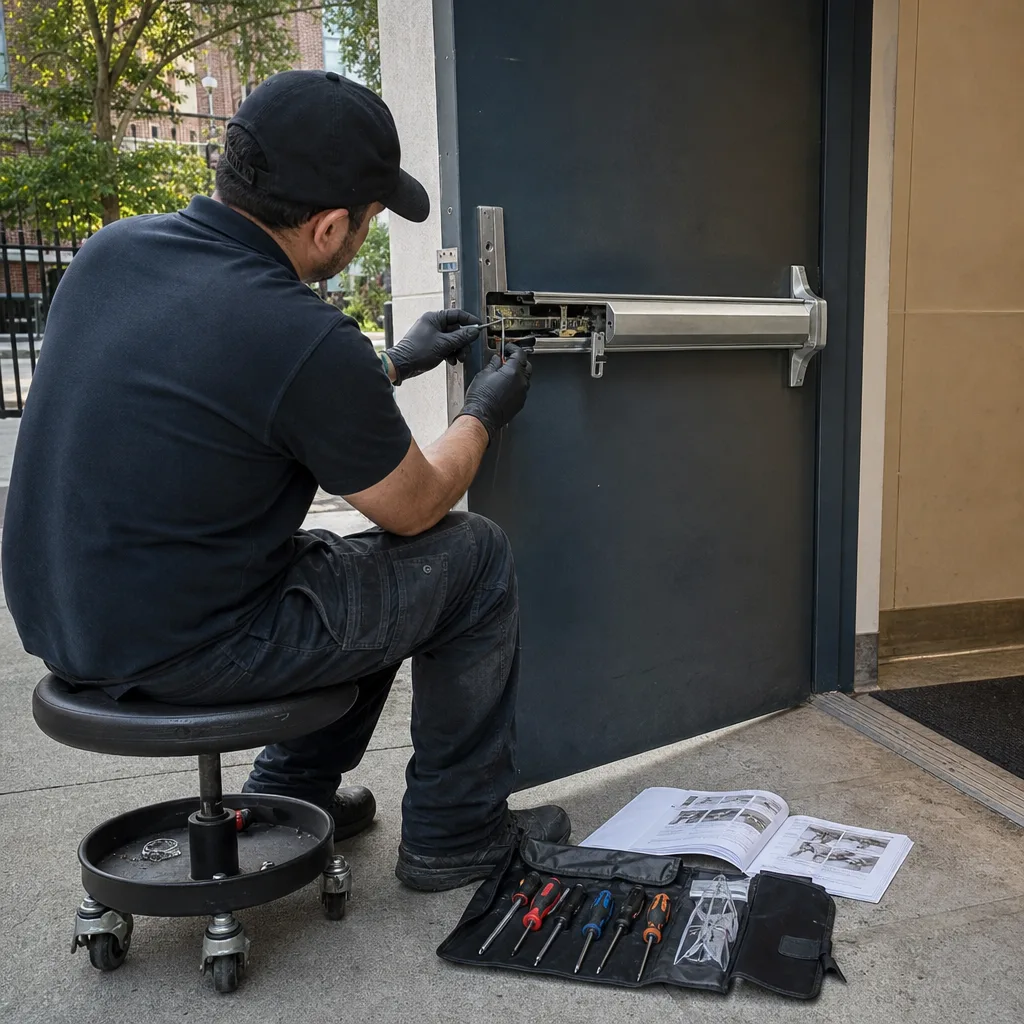
Geography affects locksmith costs in New York in ways that are rational and ways that are exploitative. Understanding the difference protects you from both overpayment and under-service.
Legitimate Geographic Variations
Manhattan below 96th Street: Higher parking costs, congestion pricing for commercial vehicles, and elevator building protocols add $20-$40 to the base trip charge. A lockout in Tribeca legitimately costs more than the same job in Riverdale because the technician’s time to reach you, park, and access the building is measurably longer.
Brooklyn and Queens: Density varies enormously. A job in Downtown Brooklyn resembles Manhattan pricing. A job in eastern Queens, near the Nassau County line, may carry a higher trip charge due to travel time but lower parking overhead.
The Bronx: Northern Bronx neighborhoods often have lower trip charges but may have fewer 24-hour services available. South Bronx and waterfront areas with new construction see Manhattan-comparable pricing due to building security requirements.
Staten Island: The lowest base rates in the city, but after-hours coverage is thinner. A 2 AM call may require dispatch from Brooklyn or New Jersey, adding legitimate travel time.
Exploitative Geographic Variations
Some operations use your ZIP code to set a “neighborhood multiplier” applied after you describe your situation. Learn to spot these tactics in our Locksmith Warning Signs: A New York Homeowner’s Reference Guide. A caller from a doorman building on Central Park West quoted $150 for a lockout may find the technician demanding $350 on arrival, with the dispatcher claiming “premium building surcharge.” This is not standard practice. It is a bait-and-switch tactic.
Haven Standard Clause 1: the price on the phone is the price on the invoice. We have operated under this rule since 2002. No neighborhood in New York triggers a hidden multiplier at Novak Lock & Security.
Service Call, Assessment, and Trip Charges: What Is Standard, What Is Padding
The locksmith trade in New York uses overlapping terminology to obscure fee structures. Here is what each term should mean, and what it sometimes means instead.
Trip Charge
This covers the technician’s travel to your location. In New York, a legitimate trip charge is $50-$85 for standard hours. It should be quoted before dispatch and appear as a discrete line item. It should not double or triple for “emergency” status unless that premium was disclosed on the phone.
Service Call Fee
Interchangeable with trip charge in honest operations. In problematic ones, it is a separate fee added to the trip charge, or it is the trip charge rebranded to sound more technical. If you see both “service call fee” and “trip charge” on an invoice, one is padding.
Assessment Fee
This is the most abused term. A legitimate assessment fee, $25-$50, applies when a technician evaluates a complex security situation, produces a written scope, and the customer declines all work. It should never apply to a straightforward lockout or rekey where the scope is obvious. If a technician arrives for a lockout and demands an “assessment fee” before touching the door, this is a red flag.
Common Padding Tactics in New York
- The “security inspection” add-on: A mandatory $75-$150 fee for inspecting locks you did not ask to have inspected. Decline it.
- The “lock grade upgrade” pressure: A technician claims your existing lock is “illegal” or “not up to code” and must be replaced immediately. New York City does not mandate specific lock grades for private residences.
- The “after-hours” reclassification: A job booked at 5:45 PM is treated as “night rate” because the technician arrived at 6:15 PM. The rate should reflect the time of booking, not arrival.
- The “parts unavailable” switch: A quote for a $40 deadbolt becomes a $280 “special order” installation. Ask to see the packaging and model number before work begins.
At Novak Lock & Security New York, every quote includes a written breakdown of hardware, labor, and trip charge before we dispatch. The technician cannot add fees at the door. This is not a policy we aspire to. It is a procedure we have followed since 2002.
After-Hours Pricing: Fixed Premiums vs. Hidden Multipliers
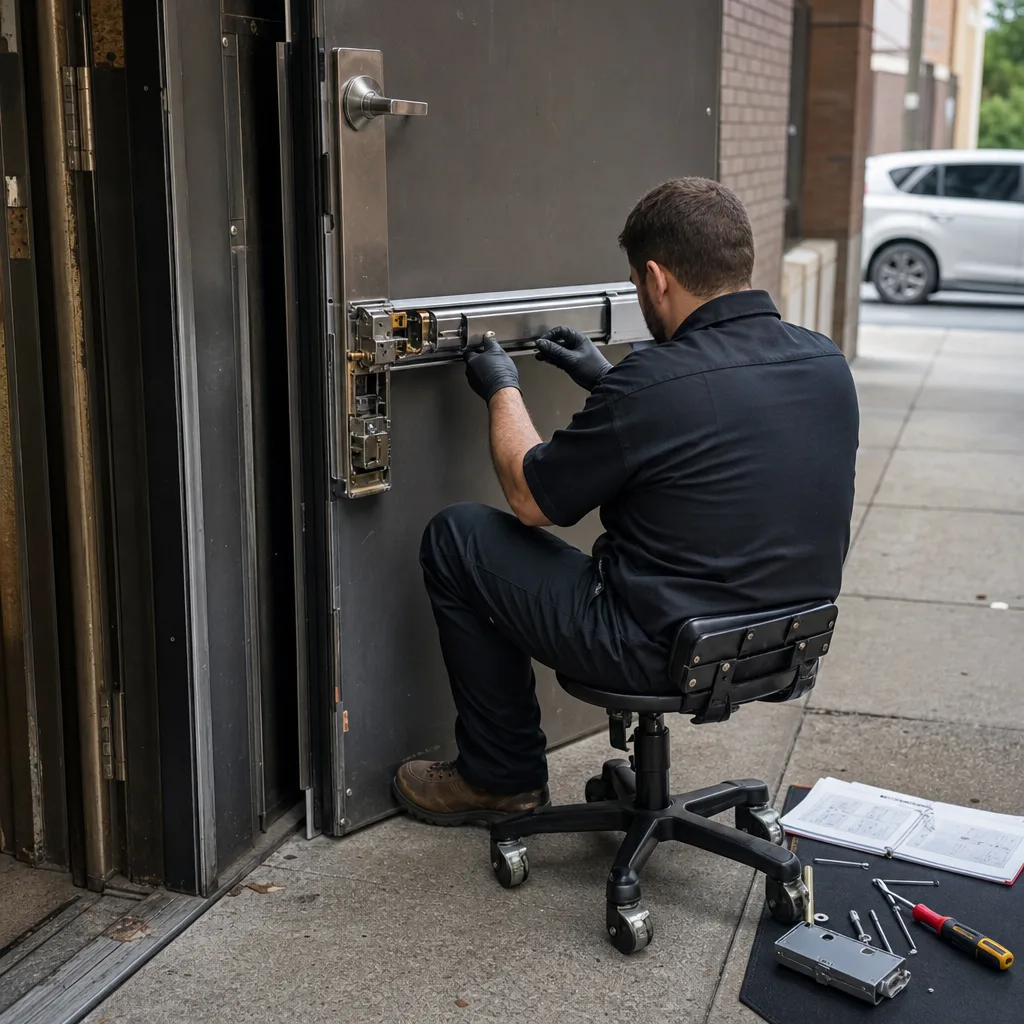
Emergency locksmith work costs more. The question is how much more, and whether the premium is disclosed before you commit.
Legitimate After-Hours Structure
A fixed dollar premium, disclosed on the phone, is standard practice. Examples from the 2026 New York market:
- Nights (6 PM - 11 PM): $30-$60 above standard rate
- Overnight (11 PM - 7 AM): $60-$120 above standard rate
- Weekends and recognized holidays: $40-$80 above standard rate
These premiums compensate technicians for disrupted schedules and reduced public transit options in New York. They are not profit centers.
Exploitative After-Hours Structure
The hidden multiplier is the industry term for quoting a base rate, then applying a 1.5x or 2x multiplier after the technician arrives. A lockout quoted at $120 becomes $240 because “it’s after 6 PM.” The dispatcher knew the time when you called. The multiplier should have been stated.
Another variant: the “technician availability surcharge,” supposedly because only one technician is on call. This is fabricated scarcity. In a city of 8 million, multiple qualified locksmiths are available at any hour.
What to Ask When You Call
- “What is the total price for this specific job, including all fees, at this time of day?”
- “Is that price guaranteed, or can it change when the technician arrives?”
- “Will the invoice match the price you just quoted?”
- “Is there a separate trip charge, service call fee, or assessment fee?”
If the dispatcher hedges on any answer, call another locksmith. In our experience, the firms that hesitate to commit to a price are the same firms that arrive with invoices 40-200% higher than the phone quote.
Our 24/7 line is answered by a live person, not an automated queue. The price you are quoted for after-hours service in New York is the price on the invoice. Haven Standard Clause 1 applies at 3 PM and 3 AM equally.
How to Read a Locksmith Invoice Line by Line
The invoice is where vague quotes become specific obligations. Here is what each line should contain, with defensible 2026 New York dollar ranges.
Line 1: Trip / Service Charge
Should show: A single fee, $50-$85 standard hours, $80-$165 after-hours with the premium disclosed.
Red flag: Multiple travel-related fees, or a trip charge that exceeds the labor charge on a simple job.
Line 2: Labor
Should show: Time on site or a flat rate for the specific task, with the rate structure noted. Standard residential labor in New York runs $60-$120 per hour, with minimums of 30 minutes to one hour.
Red flag: “Labor” with no time or rate specified, or labor that exceeds $200 for under 30 minutes of work on standard hardware.
Line 3: Hardware
Should show: Manufacturer, model number, and quantity for each item. A Schlage B60N deadbolt should not be billed as “premium deadbolt, $180.”
Red flag: Generic descriptions like “high-security lock” or “commercial grade cylinder” with no brand or model. You cannot verify pricing without this information.
Line 4: Emergency / After-Hours Premium
Should show: A fixed dollar amount, not a percentage, with the hours it applies to noted.
Red flag: A percentage multiplier, or a premium added to a job booked during standard hours.
Line 5: Tax
New York State sales tax applies to hardware and taxable services. Labor for repair and installation is generally not taxable; the invoice should separate taxable and non-taxable items. A single “tax” line applied to the total suggests sloppy bookkeeping or deliberate inflation.
Documentation You Should Receive
Every visit from Novak Lock & Security includes a documented photo record of the work performed, left with you at completion. The invoice lists the technician by name, the time of arrival and departure, and the Haven Standard clause governing the job. This is not an upgrade. It is standard procedure, applied to all 60,000+ locks, keys, and systems we have installed or serviced since 2002.
Lock Grades and Brands: What the Hardware Actually Costs
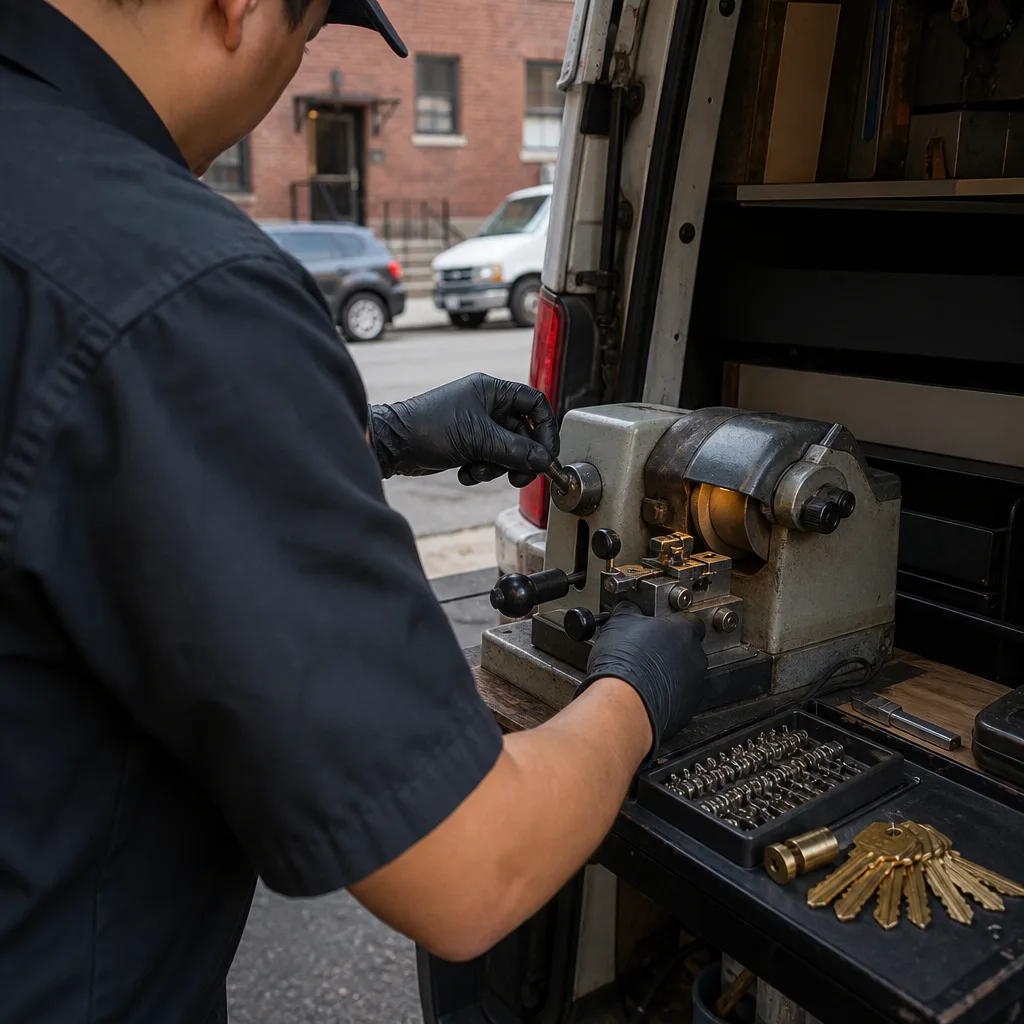
Lock grades are standardized by ANSI/BHMA, not marketing departments. Understanding them prevents you from paying premium prices for entry-level security.
Grade 3: Residential Basic
Minimum security for residential use. Kwikset entry-level knobs and deadbolts fall here. Retail: $15-$40. Suitable for interior doors and low-risk exterior doors in multi-unit buildings with other security layers.
Grade 2: Residential / Light Commercial
The standard for most New York apartment doors. Schlage residential deadbolts, many Baldwin products. Retail: $40-$90. We install Grade 2 hardware for the majority of residential locksmith in New York customers who need reliable security without high-security key control.
Grade 1: Heavy Duty / High Security
Required by many co-op boards for street-level doors. Schlage B660, Medeco Maxum, Mul-T-Lock Hercular. Retail: $65-$340 depending on cylinder type. Installation includes key registration and owner documentation.
High-Security Cylinders
These are not grades but designations. They feature restricted keyways (keys cannot be duplicated without authorization), pick resistance, and drill resistance. Medeco, Mul-T-Lock, and Abloy dominate this category. Hardware alone runs $180-$340 per cylinder. The total installed price reflects not just the lock but the key control system that prevents unauthorized duplication.
In our work with commercial locksmith in New York clients, we specify high-security cylinders for any location where key accountability is critical: property management offices, co-op board rooms, and access control systems in New York that integrate mechanical override locks.
Common Mistakes to Avoid
- Accepting a verbal quote without asking for the total. “It starts at $75” is not a quote. “The total for this lockout, including trip charge, is $145” is a quote. Get the second version.
- Assuming a Google Maps listing means local operation. Many “New York locksmith” listings route to national call centers that dispatch untrained subcontractors. The address on the van rarely matches the address on the website.
- Paying before inspecting the work. Test every key, every lock function, before signing or paying. A rekeyed lock that sticks is not finished work.
- Ignoring lock grade on replacement. A technician who installs Grade 3 hardware at Grade 1 prices is either incompetent or deceptive. Ask to see the packaging.
- Booking based on lowest price alone. In the 2026 New York market, a lockout quoted below $100 is almost certainly a bait price. The technician will find “complications” that inflate the final bill.
- Not requesting written warranty terms. Our 365-Day Done Right Promise applies to every installation, rekey, and emergency call. If a locksmith cannot produce written warranty terms, the warranty does not exist.
- Neglecting to rekey after moving. New York’s rental turnover is high. Previous tenants, contractors, and building staff may have keys. Rekeying is inexpensive; an unauthorized entry is not.
When to Call a Professional
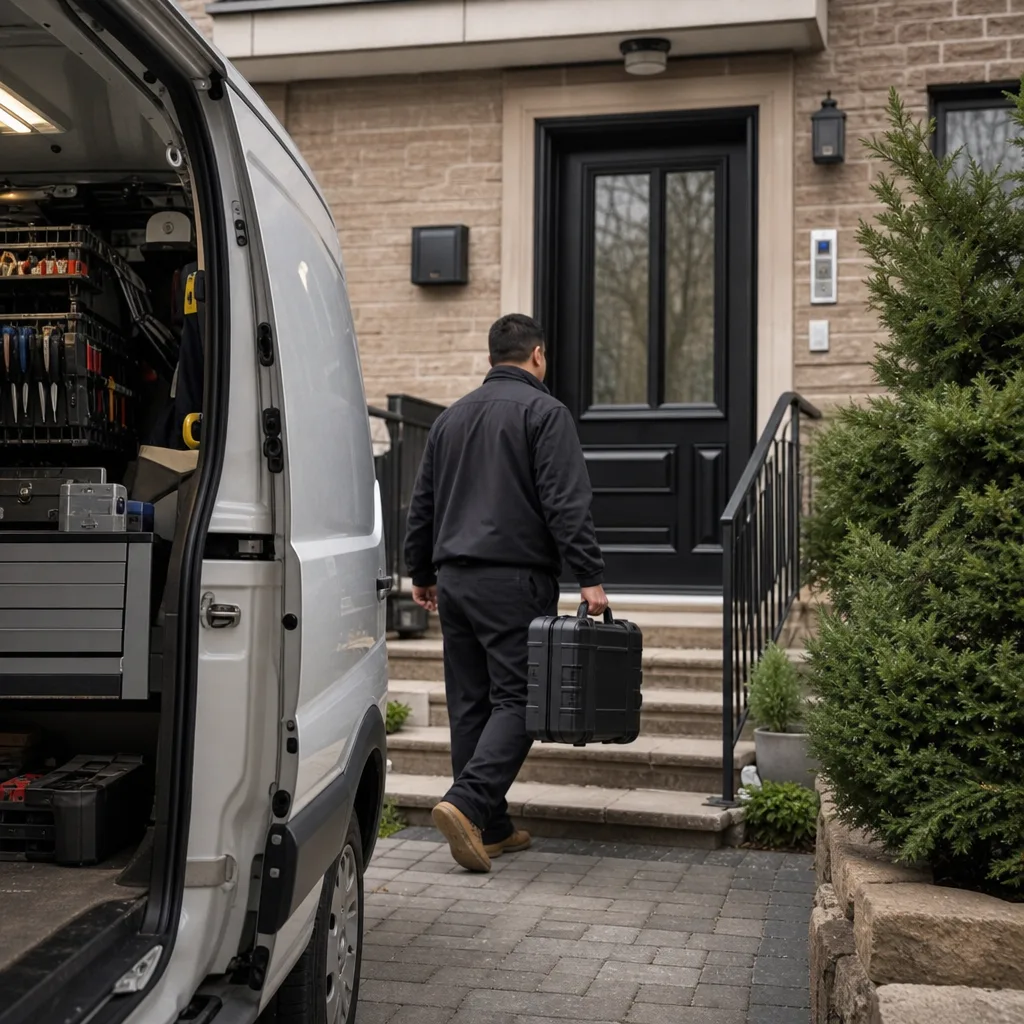
Call a locksmith when you lack the tools, knowledge, or time to resolve a lock issue without risking damage to the door, frame, or lock mechanism. Specific scenarios: you are locked out and the door has a deadbolt that resists card-entry methods; you need to rekey multiple locks to a single key; your lock shows visible wear, sticking, or key breakage; you are upgrading security after a break-in or lost keys; or you manage a building and need master key system design.
Do not attempt to drill or force a high-security cylinder. The hardened steel components in Medeco and Mul-T-Lock cylinders will destroy standard drill bits and often damage the door. The cost of door replacement exceeds the cost of professional service by a factor of ten.
Novak Lock & Security New York offers free estimates in New York. Call (551) 214-0800. We will quote a firm price on the phone, dispatch a background-checked, uniformed technician, and leave you with a documented photo record and written invoice that match exactly.
Frequently Asked Questions
A standard home lockout in New York costs $120-$235 during business hours and $180-$320 for nights, weekends, or holidays. The total depends on lock type, borough, and time of day. Call (551) 214-0800 for an exact quote - estimates are free.
It should be. At Novak Lock & Security, Haven Standard Clause 1 prohibits technicians from changing the phone-quoted price at the door. If another locksmith cannot guarantee this, the quote is not firm. Ask directly: “Will the invoice match this price exactly?”
Standard response in Manhattan, Brooklyn, and Queens is 20-45 minutes during peak hours. The Bronx and Staten Island may run 30-60 minutes depending on exact location and traffic conditions. We quote an estimated arrival window on every call and update you if conditions change.
Rekeying changes the internal pins so old keys no longer work; the lock hardware stays in place. Replacing removes the entire lock and installs new hardware. Rekeying costs $25-$50 per cylinder plus trip charge. Replacement costs $135-$365 depending on lock grade. Rekey when the hardware is sound; replace when it is worn, damaged, or below your security needs.
Many co-op boards require Grade 1 deadbolts and specific key control systems. Building management may also require locksmith insurance certificates and background documentation for technicians. We carry these documents for every residential locksmith in New York job in managed buildings and provide them to building staff on request.
New York City requires locksmiths to hold a DCWP license. Ask for the license number and verify it at nyc.gov/dcwp. State-licensed operations should produce documentation without hesitation. Novak Lock & Security is state-licensed, insured, and bonded; we provide license and insurance documentation to any customer who requests it.
The Bottom Line
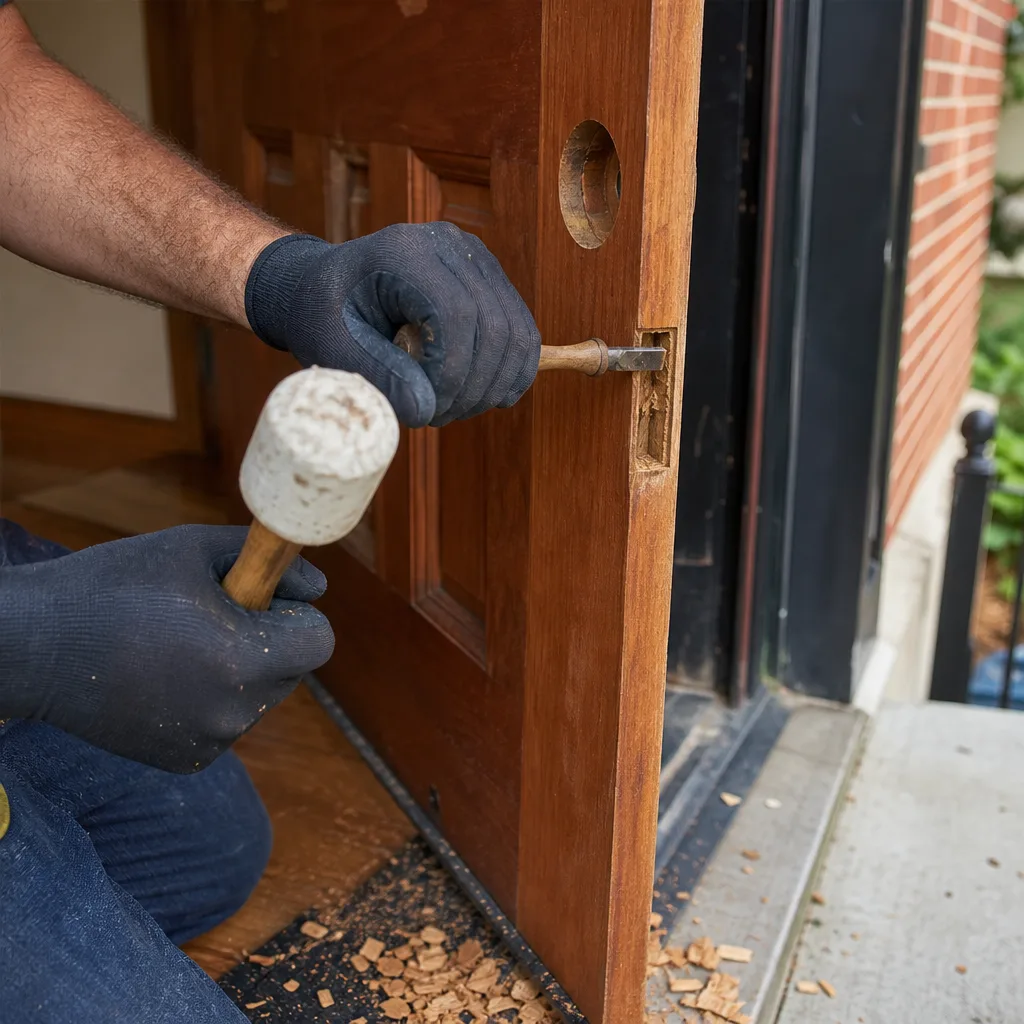
Locksmith pricing in New York is knowable. A lockout runs $120-$320 depending on hour and location. Rekeying runs $25-$50 per cylinder. Deadbolt replacement runs $135-$365. High-security upgrades run $420-$770 per door. The invoice should separate hardware, labor, and trip charge into discrete, verifiable line items. Any quote that cannot be broken down this way conceals information you need to evaluate it.
The firms that thrive on opacity use your urgency against you. The firms that operate transparently, with written prices before dispatch and documented records at completion, treat your call as the start of a relationship, not a transaction. We have chosen the second approach since 2002. It is the only approach that works under The Haven Standard.
Written by Daniel Novak, Owner at Novak Lock & Security New York, serving New York since 2002.