
Last updated September 25, 2026
Non-destructive entry first, always - and we re-key Schlage, Kwikset, and Baldwin locks on the spot while you watch
You get a price before we start. It does not change when we arrive. No surprises.
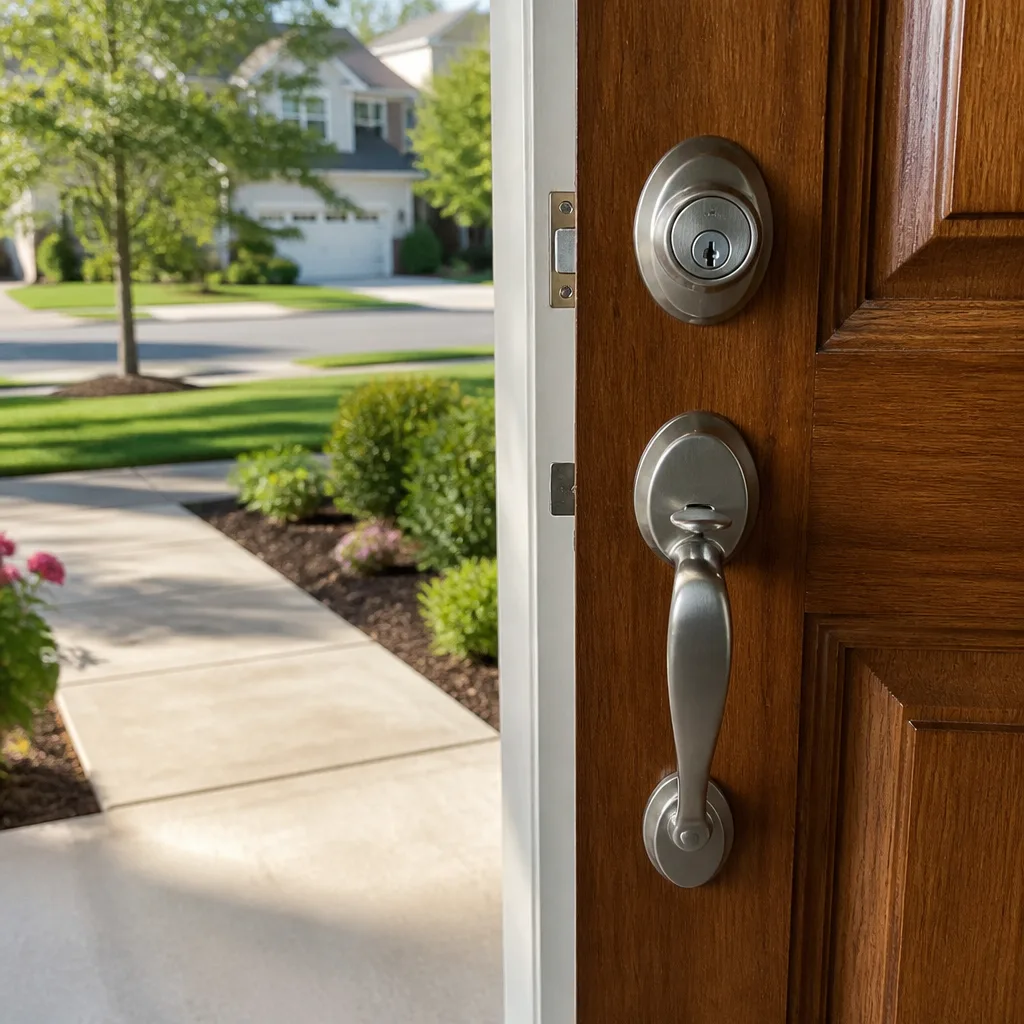
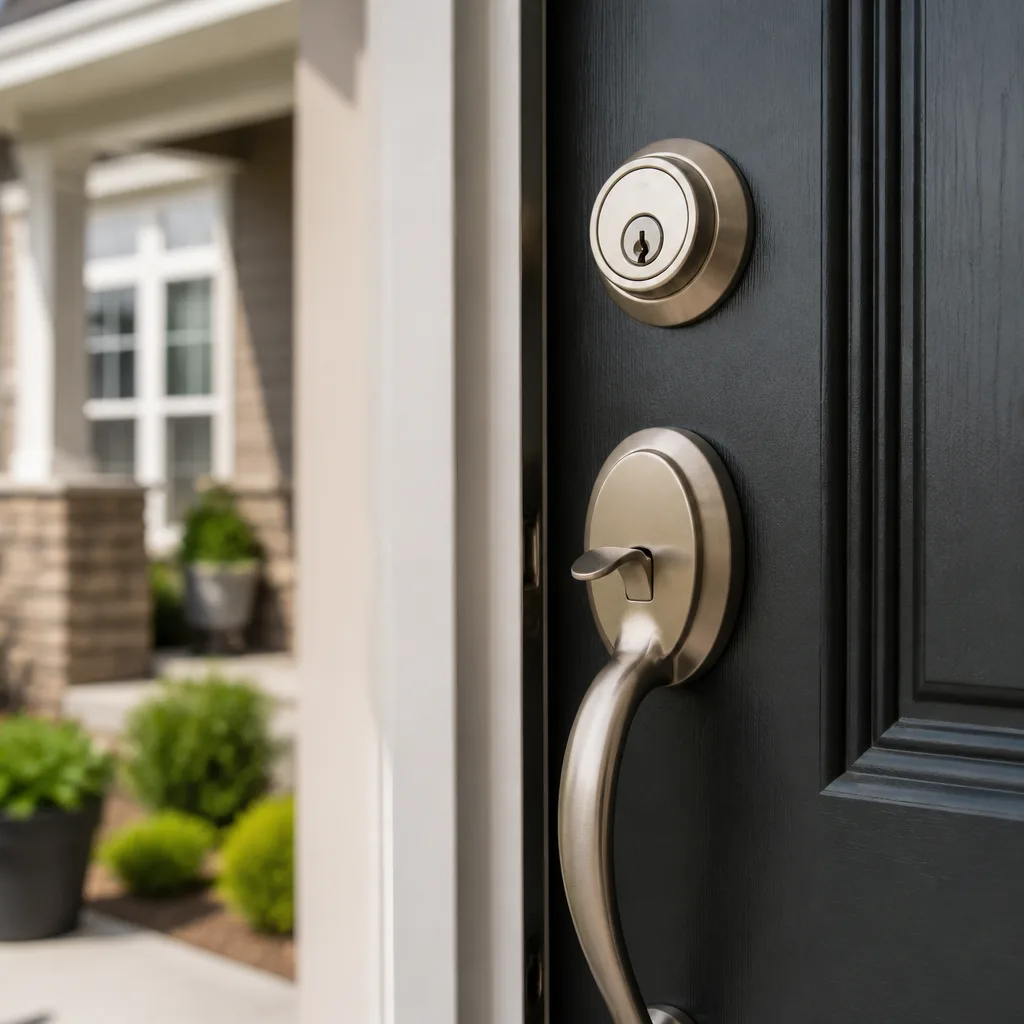
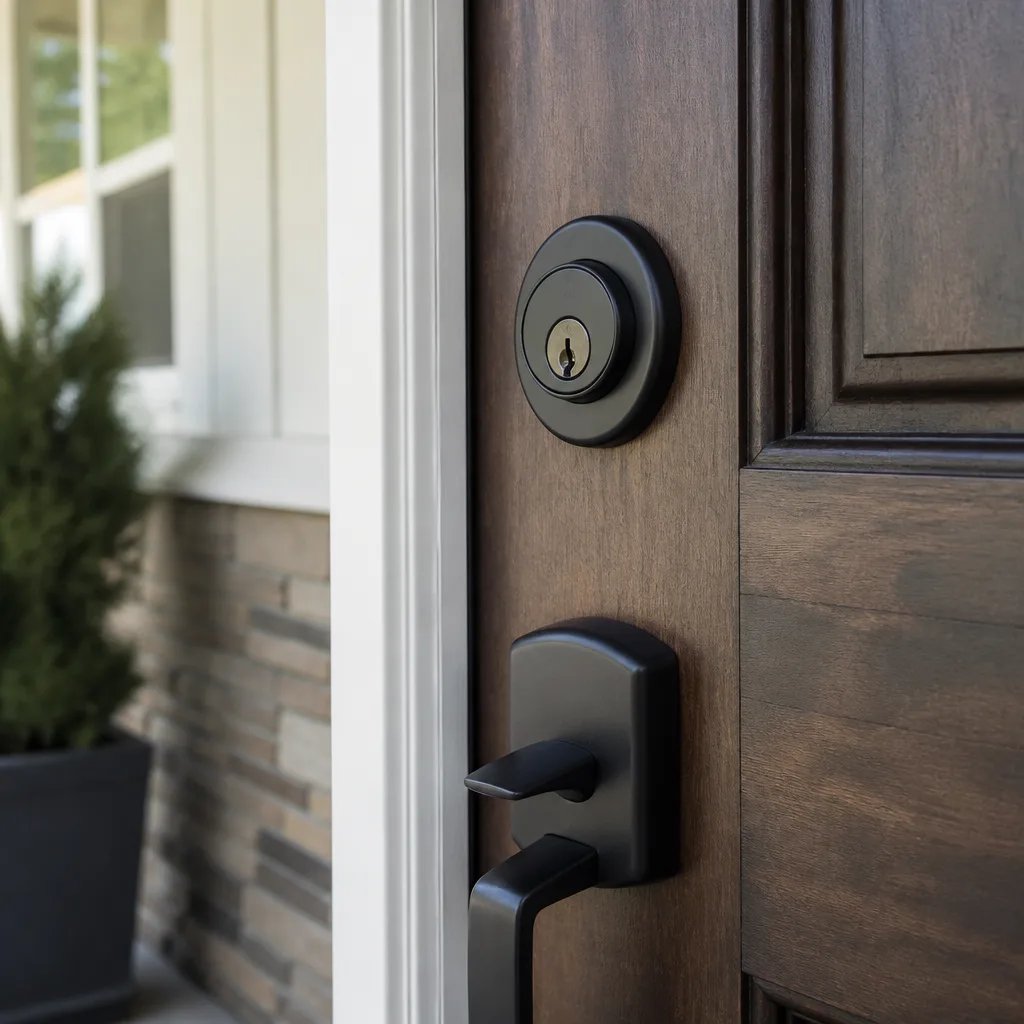
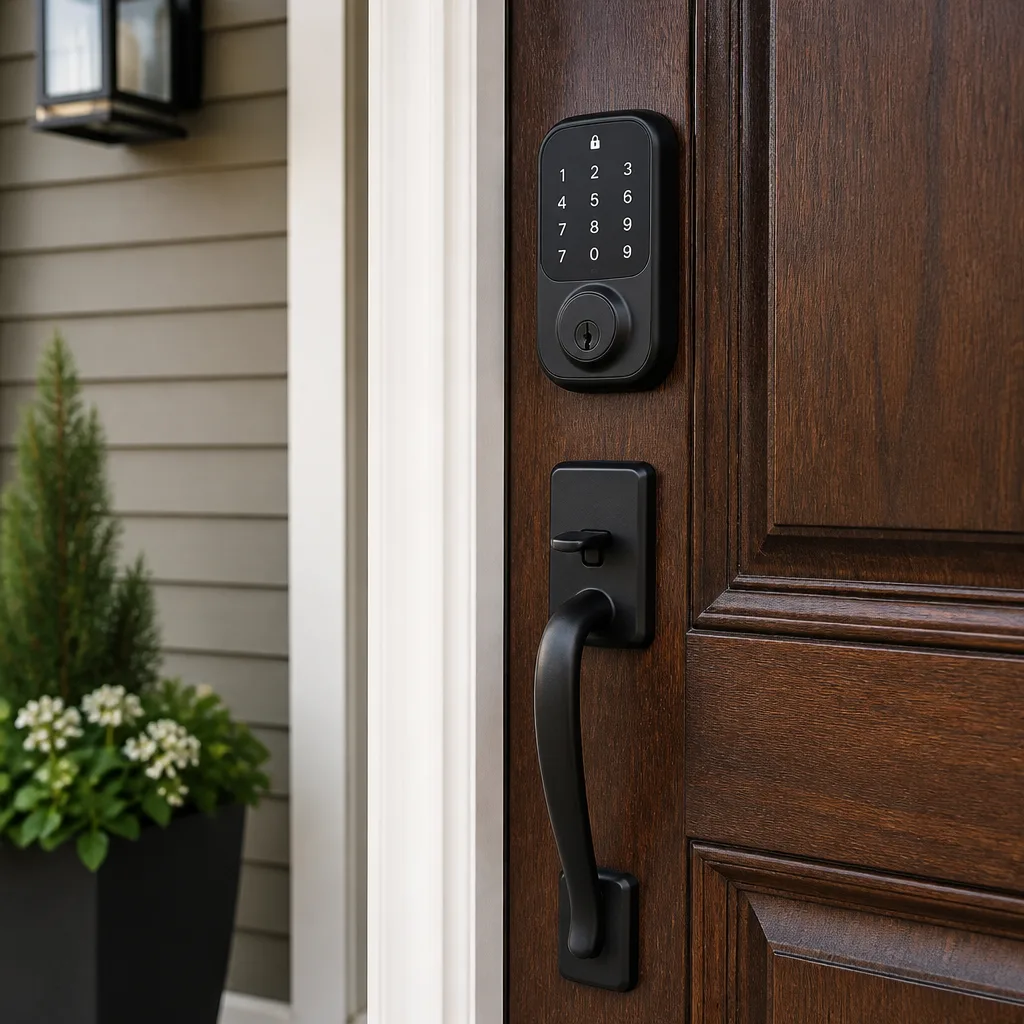
The Complete Guide to Locksmith in New York
The New York City Department of Consumer and Worker Protection has logged thousands of locksmith complaints over the past decade, and the majority follow the same pattern: a low price quoted by phone, a technician who arrives in an unmarked car, and a final bill three to five times higher than expected. New York has more licensed locksmiths per square mile than nearly any U.S. city, yet volume and legitimacy are not the same thing. This guide maps what actually matters: the license categories that separate real shops from call-center operations, the documentation that protects you under New York State law, and the service types, honest price ranges, and verification steps that let you hire with confidence. For more on evaluating your options, see our DIY vs Professional Locksmith: The New York Homeowner’s Decision Guide.
Quick Answer
A locksmith in New York provides lock installation, repair, rekeying, and emergency access services for homes, businesses, and vehicles. Reputable New York locksmiths hold a DCA license verifiable online in under 60 seconds, quote prices in writing before dispatch, and carry both liability insurance and a written warranty. In New York, expect to pay $120-$280 for residential rekeying, $150-$400 for emergency lockout response, and $800-$3,500 for commercial master key systems, with all pricing documented before work begins. See our Locksmith Cost Breakdown: The New York Homeowner’s Reference for 2026 for detailed pricing analysis.
Table of Contents
- How to Verify a Locksmith License in New York in 60 Seconds
- Local Locksmith Shop vs. Call Center: The Structural Difference
- Written Quotes vs. Verbal Estimates Under New York Law
- Residential Locksmith Services and Honest New York Pricing
- Commercial Master Key Systems and Access Control in New York
- Automotive Locksmith Services: What Works and What Doesn’t
- Emergency Lockout Response: Realistic Timeframes in New York Traffic
- ‘Bonded and Insured’: Table Stakes, Not a Selling Point
How to Verify a Locksmith License in New York in 60 Seconds
New York City requires locksmiths to hold a specific license from the Department of Consumer and Worker Protection (DCA). This is not optional, and it is not satisfied by a state business registration or a county clerk filing. The DCA locksmith license requires a background check, proof of insurance, and compliance with the city’s consumer protection rules.
State-level registration alone does not authorize locksmith work in New York City. Many operators advertising “licensed and insured” hold only a New York State business certificate, which anyone with $125 and a mailing address can obtain. The DCA license is the enforceable credential.
Here is the 60-second verification process:
- Go to nyc.gov/dca and select “Check a DCA License.”
- Enter the business name or the technician’s full name.
- Confirm the license category reads “Locksmith” and the status is “Active.”
- Note the expiration date and any recorded violations.
- If the search returns no result, the operator is not licensed to perform locksmith work in New York City.
We have responded to calls in the West Village and Astoria where the previous technician held no DCA license and could not be located after a dispute. The license database is the single most reliable filter. At Novak Lock & Security New York, every technician’s DCA license is verified at hire and annually thereafter.
Outside the five boroughs, requirements vary. Nassau and Suffolk counties do not require a specific locksmith license, though a home improvement contractor registration may apply for lock hardware installed as part of a larger security project. Westchester County requires a general business license. Always verify the specific jurisdiction before work begins.
Local Locksmith Shop vs. Call Center: The Structural Difference
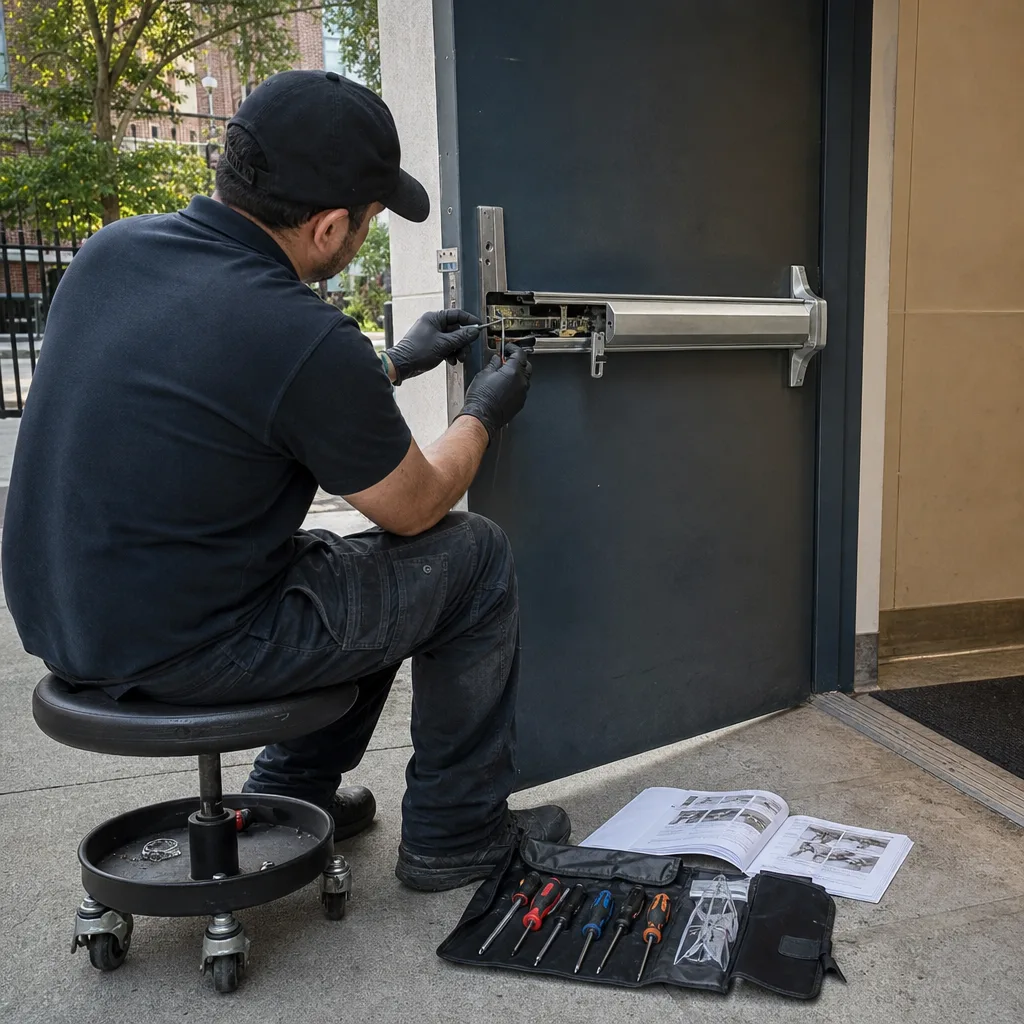
The locksmith industry in New York has two distinct business models, and understanding the structural difference protects you from the most common complaint pattern: bait pricing followed by invoice inflation.
A local locksmith shop owns or leases a physical location, employs technicians directly, and dispatches from a fleet of marked vehicles. The dispatcher typically has direct access to the technician’s schedule, the parts inventory, and the pricing sheet. The technician is a W-2 employee or a long-term contractor with a documented relationship. The shop’s reputation is tied to a fixed address and a local customer base.
A lead-generation call center operates differently. It purchases top placement in search results through aggressive advertising, answers calls with a generic brand name, and dispatches independent contractors who pay a fee for the referral. The call center does not employ technicians, does not own vehicles, and often does not know who will arrive at your door. The contractor is incentivized to maximize the invoice because they paid for the lead and keep only a portion of the revenue.
Here is how to identify the model before you book:
- Ask for the business address and verify it exists on Google Street View. A legitimate New York shop has a verifiable storefront or service bay.
- Ask whether the technician is an employee. Call centers will deflect or use the word “partner.”
- Request a firm price in writing before dispatch. Call centers typically refuse or offer a “starting at” range that balloons on arrival.
- Check reviews for mentions of unmarked vehicles, technicians who arrived in personal cars, or invoice amounts far exceeding the phone quote.
Since 2002, Novak Lock & Security has operated under Haven Standard Clause 1: the price quoted by the dispatcher is the price on the invoice, and the technician is contractually prohibited from changing it. This rule was established because the founder, Daniel Novak, observed the call-center model eroding trust in the trade. We maintain a physical facility, employ our technicians directly, and dispatch from a marked fleet.
Written Quotes vs. Verbal Estimates Under New York Law
New York State General Business Law Section 349 prohibits deceptive acts and practices in consumer transactions. For locksmith services, the critical distinction is between a written quote provided before dispatch and a verbal estimate given over the phone.
A written quote, delivered by email or text, creates a documented record of the agreed scope and price. Under New York law, this constitutes an offer that becomes binding when accepted by the customer. If the final invoice exceeds the written quote without a documented change order signed by the customer, the excess is legally unenforceable. The customer has grounds for complaint to the DCA and potential recovery in small claims court.
A verbal estimate carries no such protection. Courts consistently treat oral price discussions as non-binding projections, not contracts. The call-center model relies on this distinction: the low verbal estimate secures the dispatch, and the inflated invoice is presented as a fait accompli on the doorstep.
What a legitimate written quote includes:
- Itemized labor rate or flat fee per service type
- Parts description with manufacturer and model number
- Service call or trip charge, if any
- Estimated tax
- Expiration date of the quote
- Statement that the price will not change without written customer authorization
In our experience across Manhattan, Brooklyn, and Queens, the customers who avoid disputes are those who receive a written quote before anyone is dispatched. At Novak Lock & Security New York, every quote is delivered in writing, and the technician’s handheld device displays the identical price. There is no mechanism for the technician to alter the amount. This is not a policy; it is a technical and contractual prohibition.
Residential Locksmith Services and Honest New York Pricing
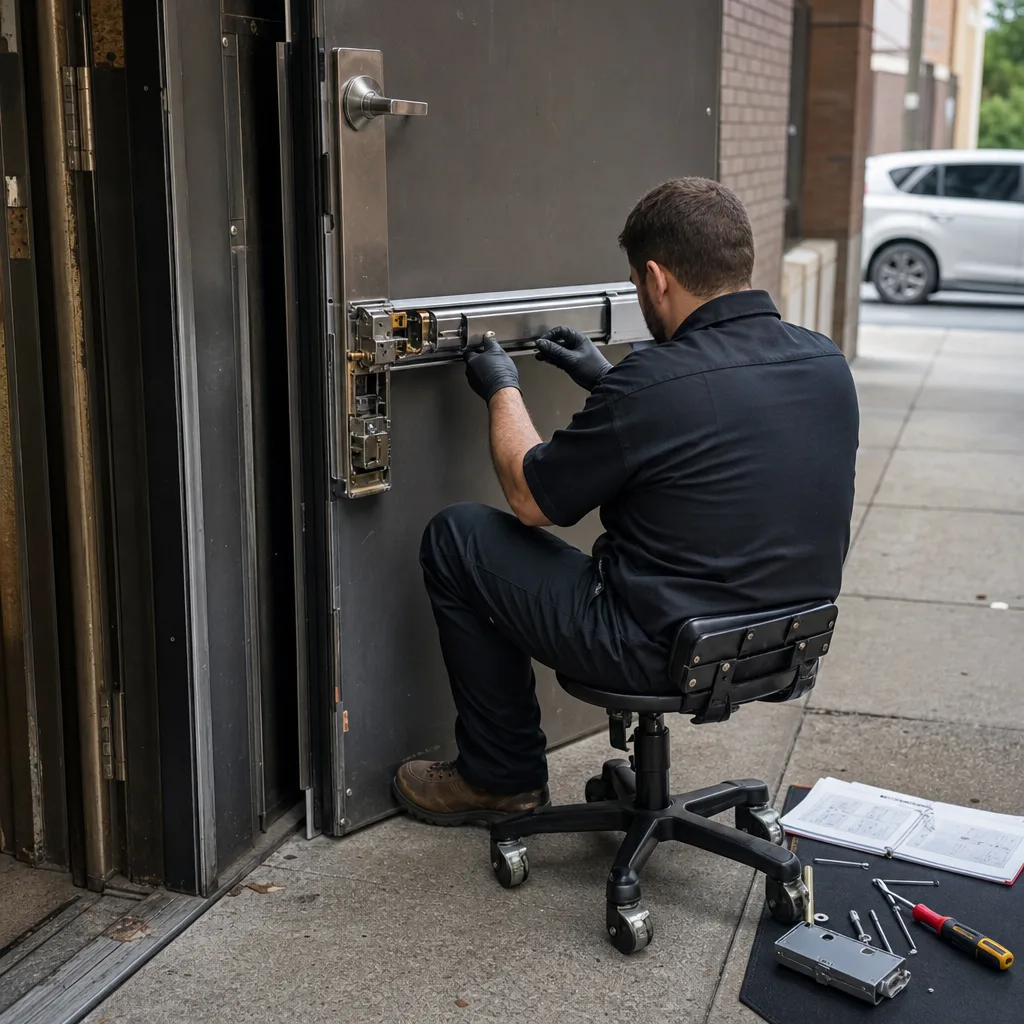
Residential locksmith work in New York spans four core categories: rekeying, lock replacement, lock repair, and security upgrades. The pricing reflects Manhattan’s higher operating costs compared with outer boroughs and suburban markets, but the work itself follows national standards with local code considerations.
Rekeying changes the internal pin configuration of an existing lock so that old keys no longer operate it. This is the most common service for new homeowners in New York. The lock hardware remains in place; only the keying is altered. Typical range in New York: $120-$280 for a standard deadbolt or knob set, with additional cylinders at $25-$65 each. High-security cylinders, such as Mul-T-Lock or Medeco, run $180-$340 per cylinder due to proprietary key control and pick-resistant design.
Lock replacement removes the existing hardware and installs new. Standard grade 2 residential deadbolts from Schlage or Kwikset: $180-$420 installed, including hardware. Grade 1 commercial-duty hardware for residential applications, such as a Sargent or Baldwin mortise lock: $450-$1,200. Decorative hardware in pre-war buildings with non-standard backsets or faceplate requirements may require custom machining, adding $100-$250.
Lock repair addresses specific failures: stuck deadbolts, misaligned strikes, broken key extraction, or loose cylinder housings. Repair is often viable in New York’s older housing stock, where original mortise locks in brownstones and pre-war co-ops exceed modern hardware in material quality. Typical repair range: $150-$380, with parts additional if springs, cams, or tailpieces require replacement.
Security upgrades include high-security cylinder installation, smart lock integration, and auxiliary hardware such as door viewers or security strikes. Smart locks from Yale or Schlage with Wi-Fi connectivity: $280-$680 installed, depending on door prep requirements and network configuration. High-security conversion of an existing deadbolt to a Mul-T-Lock cylinder with restricted keyway: $220-$440.
New York-specific considerations: Many co-op and condo buildings require superintendents to hold master keys, limiting the value of certain smart locks that cannot integrate with building systems. Pre-war doors in neighborhoods like the Upper West Side, Park Slope, and Jackson Heights often have mortise lock bodies with 2-3/4 inch backsets or integrated rim locks that do not accept modern cylindrical hardware without modification. We document the existing condition with a photo record before quoting, so the customer sees what we found.
Residential Locksmith in New York
Commercial Master Key Systems and Access Control in New York
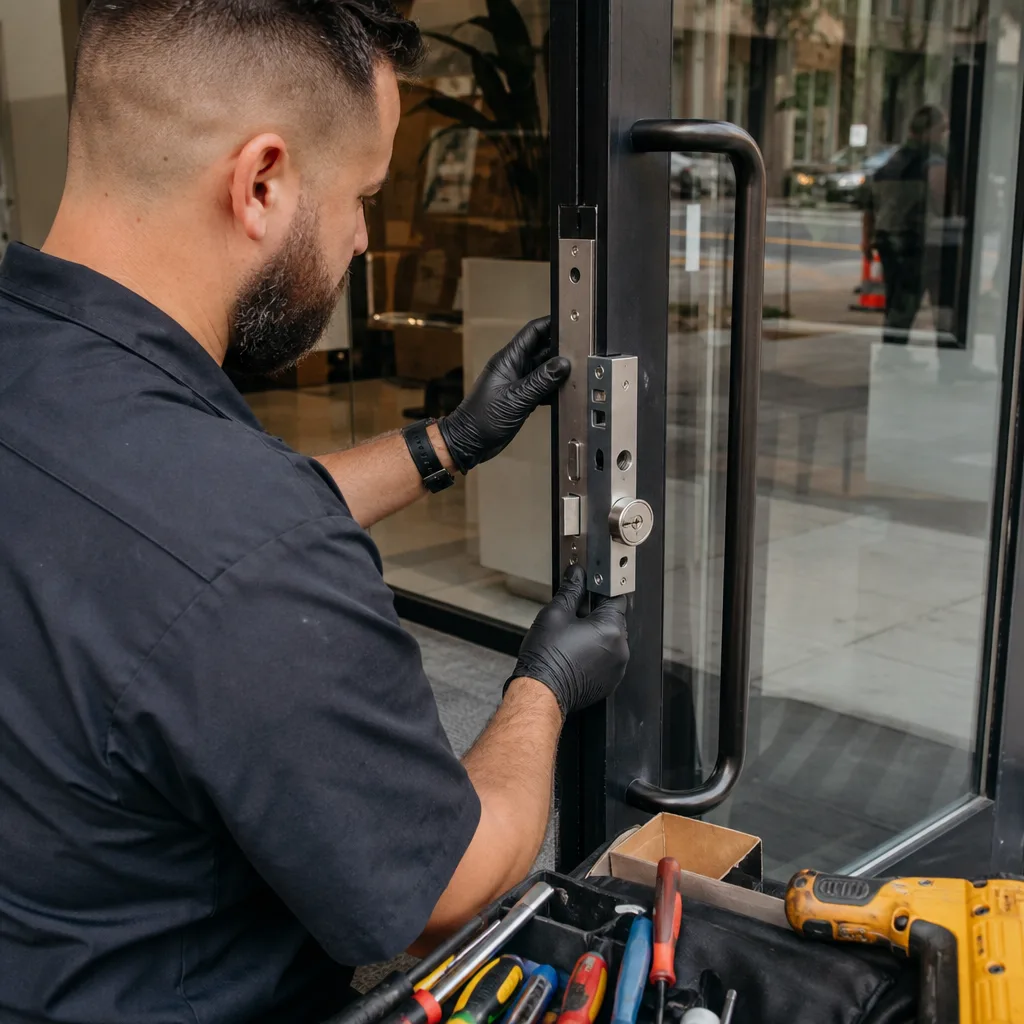
Commercial locksmith work in New York operates on a different scheduling and pricing model than residential. These are surveyed, scoped, and scheduled jobs, not emergency dispatches. The complexity ranges from a simple rekey of a small retail space to multi-tier master key systems for Class A office buildings.
Rekeying and lock changes for commercial tenants: $45-$85 per cylinder for standard commercial hardware, with minimum trip charges of $150-$250 in Manhattan during business hours. After-hours or weekend service carries a 25-50 percent premium.
Master key systems allow hierarchical access: a grand master opens all locks, sub-masters open defined groups, and change keys open individual locks. A basic three-level system for a 20-door property: $1,800-$3,500 including cylinders, keying, and documentation. Large systems with 100+ doors, audit-trail cylinders, and key control software: $8,000-$25,000. These require on-site survey, written scope, and typically a 50 percent deposit before keying begins.
Access control systems replace or supplement mechanical keys with electronic credential readers: keycards, fobs, biometric scanners, or mobile credentials. Entry-level systems for small offices: $2,500-$6,000 for two to four doors with stand-alone controllers. Networked systems with centralized management, time-zone scheduling, and integration with video or intrusion alarms: $15,000-$75,000 depending on door count and infrastructure. Access Control Systems in New York require compliance with NYC Building Code sections for egress and fire alarm integration, particularly in buildings over 75 feet or with occupancy over 300 persons.
New York commercial considerations: Fire Department inspection records frequently identify non-compliant locking hardware, particularly in older buildings where original rim locks have been modified with aftermarket deadbolts. The FDNY requires free egress without special knowledge or tools; magnetic locks and electric strikes must release on fire alarm activation. We have replaced non-compliant hardware in buildings from the Financial District to Long Island City after FDNY violation notices. The photo record documents the before condition for the building manager’s compliance file.
Factory-authorized work on premium brands matters for warranty coverage. We are authorized for Medeco, Mul-T-Lock, Abloy, Baldwin, and Schlage commercial lines. Unauthorized installation voids the manufacturer’s warranty and may invalidate insurance coverage after a loss.
Commercial Locksmith in New York
Automotive Locksmith Services: What Works and What Doesn’t
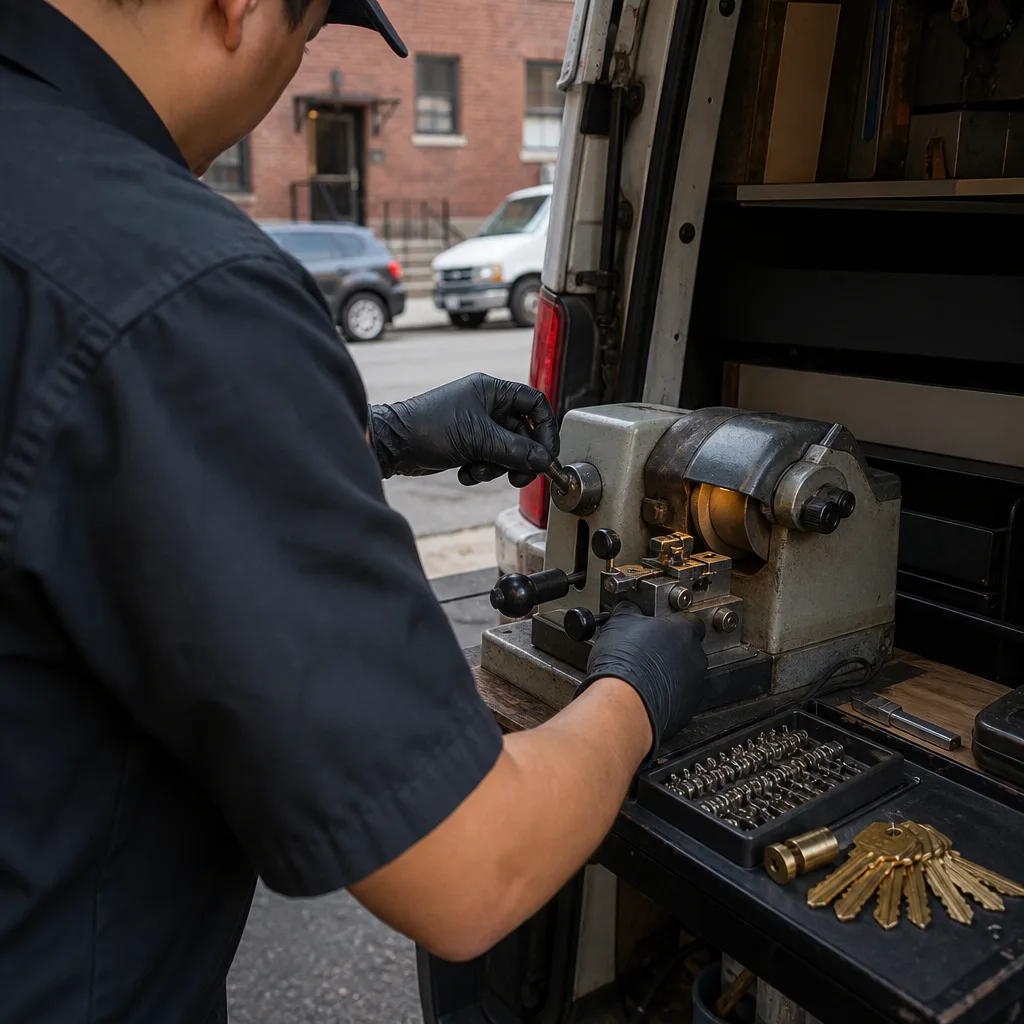
Automotive locksmith work in New York divides into three categories: emergency lockout, key replacement and programming, and ignition repair or replacement. The market includes both traditional mechanical keys and modern transponder, proximity, and smart key systems.
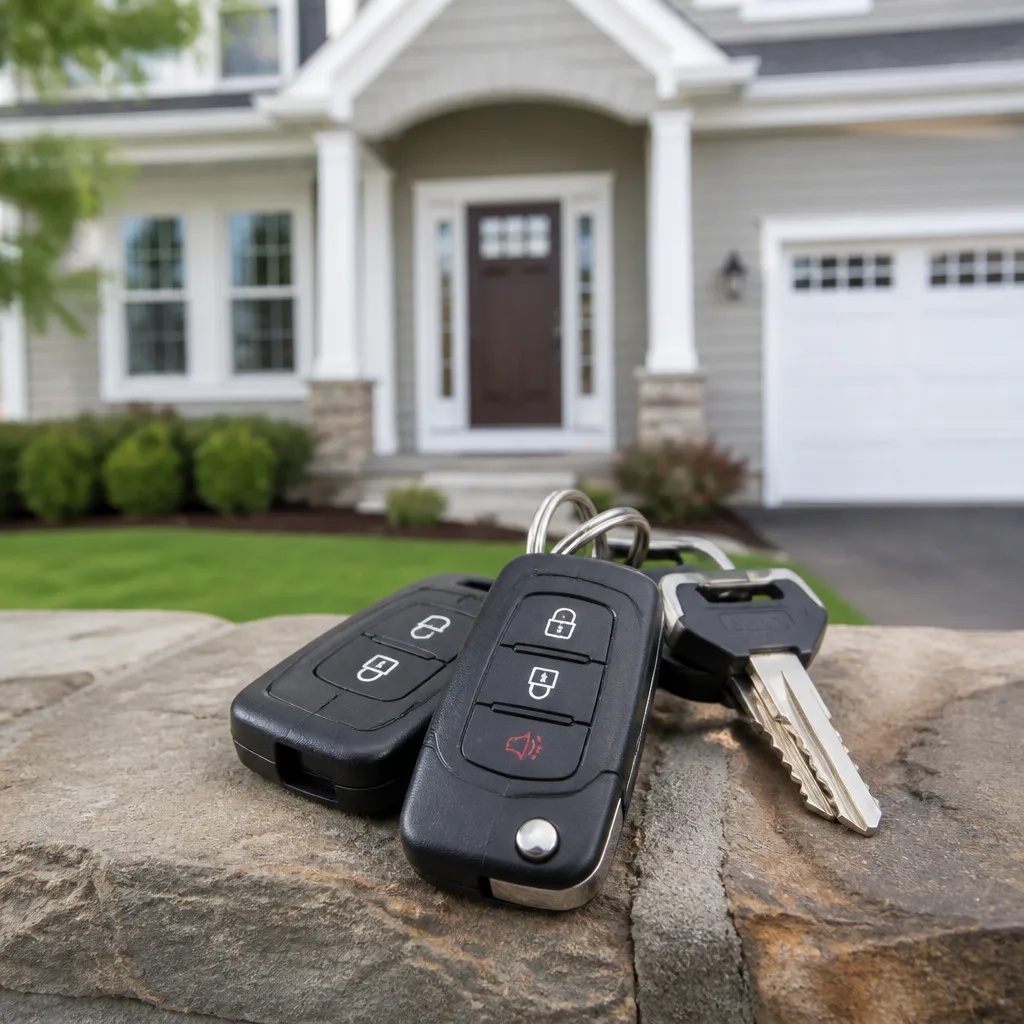
Emergency lockout from a vehicle: $120-$250 in New York, depending on time of day, location, and vehicle complexity. Modern vehicles with concealed lock cylinders or electronic-only access require specialized tools and diagnostic equipment. We do not recommend DIY entry attempts using wedges or coat hangers; modern door panels contain airbag sensors, wiring harnesses, and laminated glass that damage easily.
Key replacement and programming: Traditional metal key, cut by code: $85-$180. Transponder key with immobilizer programming: $180-$420. Proximity smart key for push-button start vehicles: $280-$650. These prices include key blank, cutting, and programming. Dealer pricing for the same service typically runs 40-100 percent higher, with longer wait times for appointment availability.
Ignition repair or replacement: Worn ignition cylinders, broken keys, or failed electronic ignition switches. Repair where possible: $200-$380. Full replacement with new cylinder and rekey to existing door key: $350-$680. Some vehicles, particularly certain Honda and Chrysler models, have ignition designs prone to wear; we report the specific condition found and recommend repair or replacement based on failure mode.
Limitations to understand: We do not program keys for vehicles with active liens or without proof of ownership. New York State law requires documentation. We also do not bypass or defeat factory immobilizer systems for vehicles where ownership cannot be verified. Any locksmith offering to do so is operating outside legal boundaries.
Seasonal note: In New York’s summer humidity and winter cold, we see increased calls for key fob battery failure and proximity system malfunction. A dead fob battery in a push-start vehicle can often be resolved with temporary placement in the designated backup slot; we walk customers through this by phone when possible, avoiding an unnecessary dispatch.
Emergency Lockout Response: Realistic Timeframes in New York Traffic
Emergency lockout response in New York is constrained by geography and traffic patterns, not by dispatcher enthusiasm. Understanding realistic timeframes helps you evaluate whether a quoted arrival time is plausible or a sales tactic.
During business hours in Manhattan below 96th Street: 25-45 minutes from confirmed dispatch. Midtown congestion, construction, and parking availability extend this range. We have logged actual arrival times since 2002; the median for this zone is 34 minutes.
Brooklyn and Queens, business hours: 30-55 minutes, highly dependent on bridge or tunnel access and the specific neighborhood. A dispatch to Astoria from a Queens base is faster than a dispatch to the Rockaways, which may require the Belt Parkway.
Evenings and weekends: Add 10-20 minutes for reduced technician availability and increased call volume. Holidays with high social activity, such as New Year’s Eve or July 4th, see peak demand and correspondingly longer waits.
What to verify when you call:
- Ask for the technician’s current location, not the shop’s address. A call center in Florida cannot dispatch to the Upper East Side in 15 minutes.
- Request a callback or text with the technician’s name, vehicle description, and estimated arrival. This creates accountability and a record.
- Confirm the price before dispatch, in writing, with the understanding that the price is the price.
We answer calls with a live person, 24 hours daily. No voicemail queue, no callback window. The dispatcher has real-time GPS visibility of all technicians and quotes an arrival range based on actual traffic conditions, not a scripted promise.
‘Bonded and Insured’: Table Stakes, Not a Selling Point
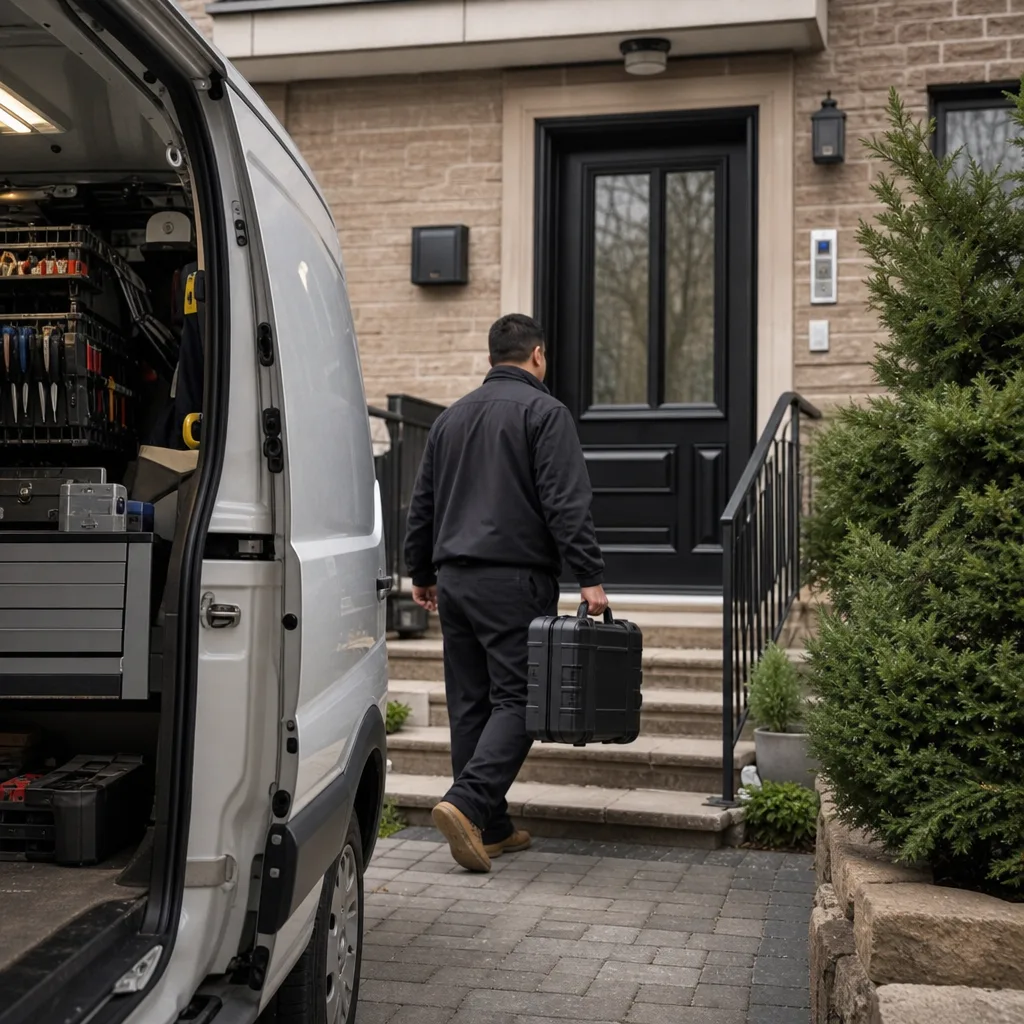
Every legitimate locksmith in New York carries general liability insurance and either a surety bond or equivalent financial guarantee. These are licensing requirements, not achievements. When a locksmith advertises “bonded and insured” as a primary credential, they are highlighting compliance with the minimum legal standard.
The documentation you should request before work begins:
- Certificate of Insurance (COI) naming you or your property as additional insured, or at minimum showing current general liability coverage of $1 million per occurrence
- DCA license verification as described above
- Written scope of work with itemized pricing
- Warranty terms in writing, with duration and coverage specifics
- Photo record of the work area before and after, provided at job completion
What “bonded” actually means: a surety bond guarantees payment to affected parties if the locksmith violates licensing law or commits fraud. It does not protect against poor workmanship or accidental damage; that is the function of liability insurance. The bond amount for NYC locksmiths is set by the DCA and is typically modest relative to potential consumer losses.
At Novak Lock & Security New York, we provide the COI on request, include the written warranty as standard (the 365-Day Done Right Promise), and leave a documented photo record with every customer. These are procedures, not upgrades. The Haven Standard, applied across all ten Haven brands, requires Clause 4 documentation on every visit: photo record, written scope, written warranty, and customer sign-off.
Common Mistakes to Avoid
- Accepting a verbal “starting at” price. This is the signature tactic of bait-and-switch operations. In New York, a firm written quote is your only enforceable protection against invoice inflation.
- Hiring based on top search result position alone. Paid advertising placement correlates with marketing budget, not quality or legitimacy. The DCA license database is the relevant filter.
- Ignoring building-specific requirements. Many New York co-ops, condos, and rental buildings require locksmith work to be performed by a licensed contractor with building approval. Unauthorized lock changes can result in fines or required reversal at tenant expense.
- Choosing hardware based on price alone. Grade 3 residential hardware, common at big-box retailers, fails quickly in New York’s high-use environment. Grade 2 or Grade 1 hardware costs more upfront and lasts substantially longer.
- Neglecting to rekey after purchase or tenant change. In New York’s active real estate market, previous owners, contractors, cleaning services, and dog walkers may retain keys. Rekeying is inexpensive insurance against unauthorized access.
- Attempting DIY repair on high-tension components. Some multipoint lock systems and storm door closers operate under significant spring tension. Improper disassembly can cause injury. We have been called to complete repairs after DIY attempts in Park Slope and Harlem resulted in hardware damage and personal injury.
- Failing to verify warranty coverage. Unauthorized installation voids manufacturer warranties for Medeco, Mul-T-Lock, and other premium brands. Verify factory authorization before booking high-security work.
When to Call a Professional
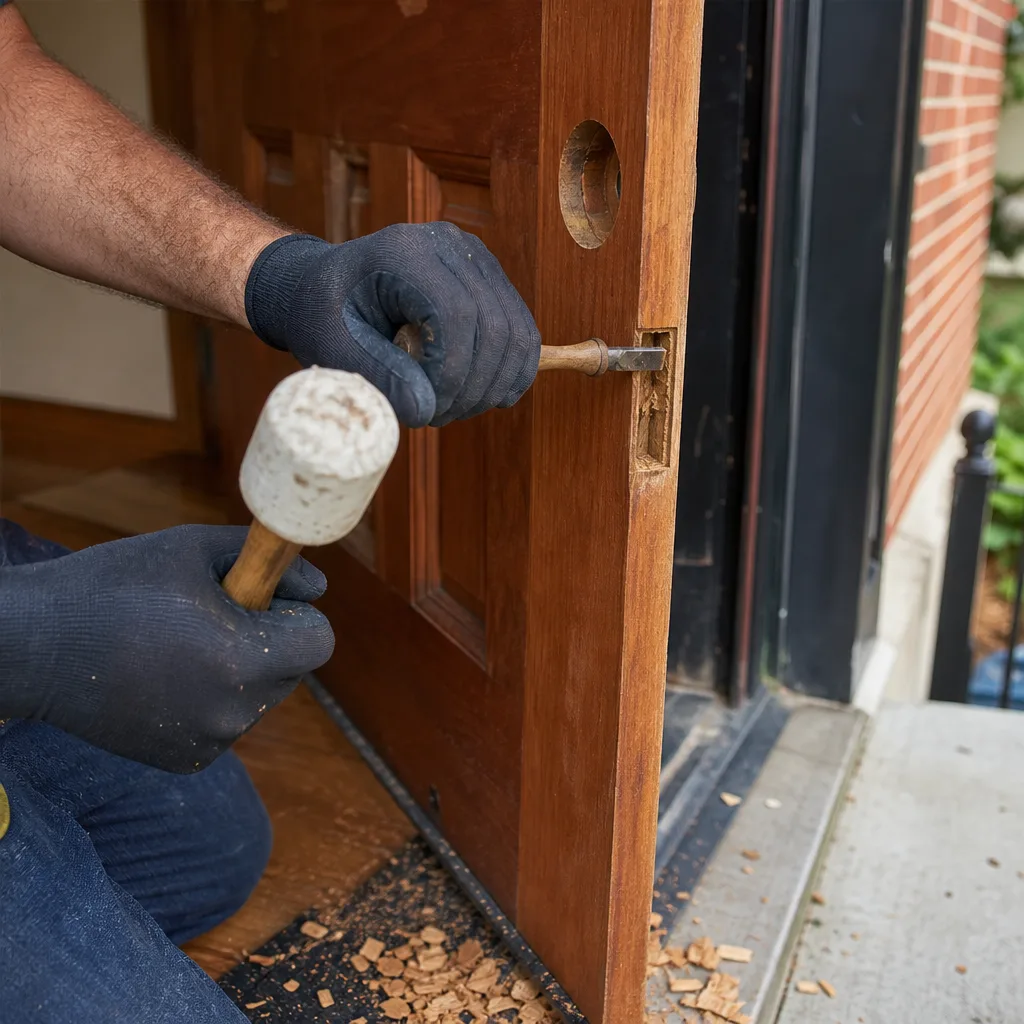
Call a licensed locksmith when you cannot verify who holds keys to your property, when a lock fails to operate smoothly (forcing it accelerates wear and risks key breakage), when moving into a new home or commercial space, or when any lock-related situation affects your safety or legal compliance. For guidance on selecting the right professional, read our How to Hire a Locksmith Contractor in New York: A Step-by-Step Guide. In New York’s dense housing market, the previous owner’s “one extra key” often multiplied through contractors, pet sitters, and relatives.
For commercial properties, call when employee turnover creates key control gaps, when FDNY inspection identifies non-compliant hardware, or when insurance renewal requires documented security upgrades. Explore more guides & resources on property security and compliance. For automotive situations, call when you lack a functional spare key; modern key programming requires specialized equipment that dealerships often reserve for appointment-only service.
Novak Lock & Security New York offers free estimates in New York. Call (551) 214-0800. The dispatcher will quote a firm price in writing before any technician is dispatched, under Haven Standard Clause 1. If you have a competitor’s written estimate, we provide a free second opinion with no obligation.
Frequently Asked Questions
Search the DCA license database at nyc.gov/dca using the business or technician name; confirm the category is “Locksmith” and status is “Active.” This takes under 60 seconds and is the only reliable verification method. If no record appears, the operator is not licensed to perform locksmith work in New York City. Call (551) 214-0800 and we will confirm our license status while you are on the line.
Residential rekeying in New York typically costs $120-$280 for the first cylinder and $25-$65 for each additional, with high-security cylinders such as Mul-T-Lock or Medeco at $180-$340. The price includes disassembly, pin replacement, new keys, and reassembly. We quote the full price in writing before dispatch, and it is the price on the invoice. Call (551) 214-0800 for an exact quote based on your specific hardware.
At Novak Lock & Security New York, yes. Haven Standard Clause 1 prohibits the technician from changing the quoted price at the door. The dispatcher’s written quote is the invoice amount, with no added service charges, “trip fees,” or unexpected parts costs. This rule has been in place since 2002. If you receive a quote from another locksmith, bring it to us for a free second opinion.
Business-hour emergency response in Manhattan below 96th Street averages 25-45 minutes from confirmed dispatch, with actual traffic conditions determining the specific range. Our dispatcher quotes an arrival window based on real-time GPS location, not a scripted promise. After-hours and weekend response adds 10-20 minutes. Call (551) 214-0800 for current availability.
Rekeying changes the internal pin configuration so old keys no longer work; the hardware stays in place. Replacing removes the entire lock and installs new hardware. Rekeying is faster and less expensive when the existing lock is in good condition. Replacing is necessary when hardware is damaged, outdated, or does not meet your security requirements. We inspect and report the condition before recommending either.
Standard cylindrical deadbolts on modern doors can be replaced by a competent homeowner with basic tools. Mortise locks, rim locks in pre-war buildings, high-security cylinders, and any lock integrated with an access control or alarm system require professional installation for warranty coverage and code compliance. In New York’s older housing stock, we frequently find non-standard backsets, integrated strikes, or modifications that make DIY installation problematic. We provide a documented photo record of what we find so you can make an informed decision.
The Bottom Line
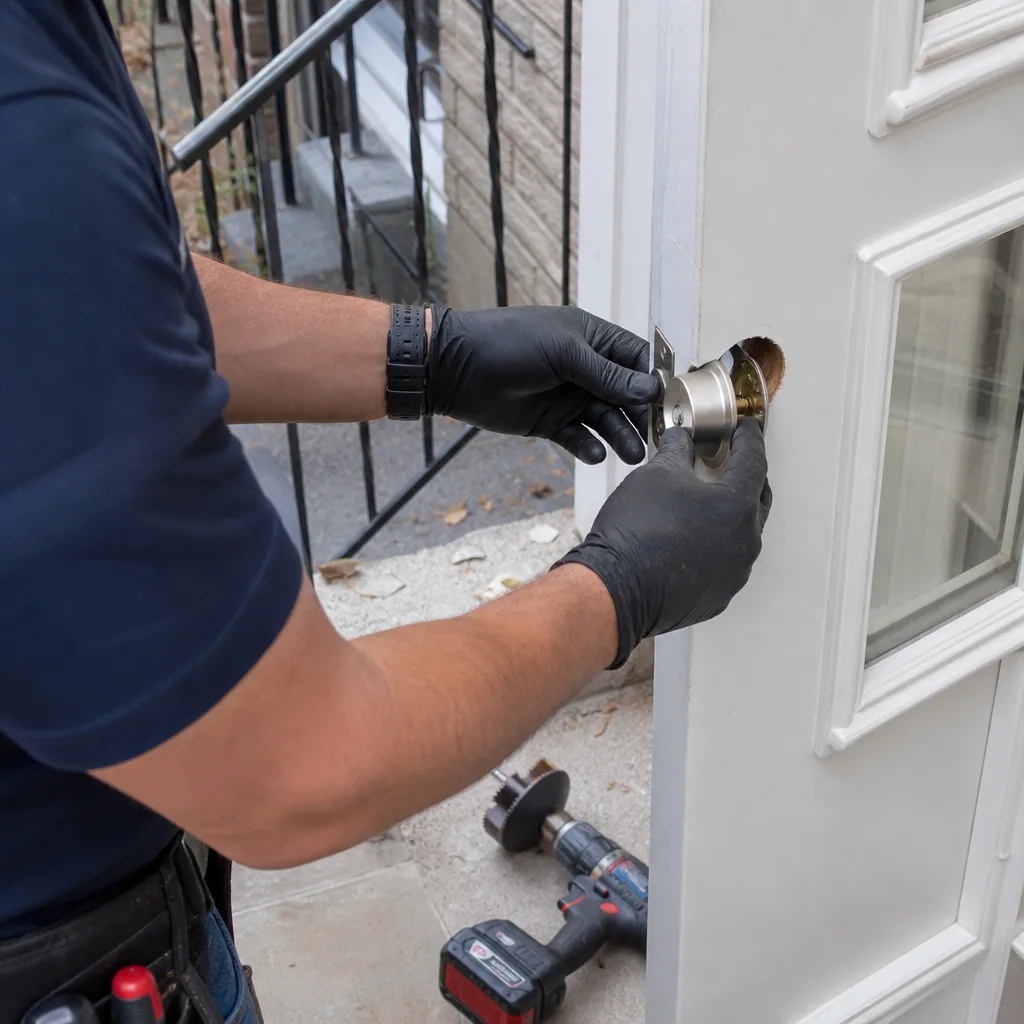
New York’s locksmith market is large, competitive, and uneven in quality. The protections available to you are straightforward: verify the DCA license, demand a written quote before dispatch, and confirm that the price on the phone is contractually the price on the invoice. These three steps eliminate the majority of consumer complaints logged by the city. For residential, commercial, or automotive work, the relevant credentials are documentation, not slogans. Novak Lock & Security New York has operated under these principles since 2002, with 60,000+ completed jobs, each started with a written price and finished with a documented record. The Haven Standard governs every interaction, and the 365-Day Done Right Promise applies to every installation, rekey, and emergency call.
Call (551) 214-0800 for a free estimate. A live person answers around the clock, and the price we quote is the price you pay.
Written by Daniel Novak, Owner at Novak Lock & Security New York, serving New York since 2002.