
Last updated September 25, 2026
Non-destructive entry first, always - and we re-key Schlage, Kwikset, and Baldwin locks on the spot while you watch
You get a price before we start. It does not change when we arrive. No surprises.
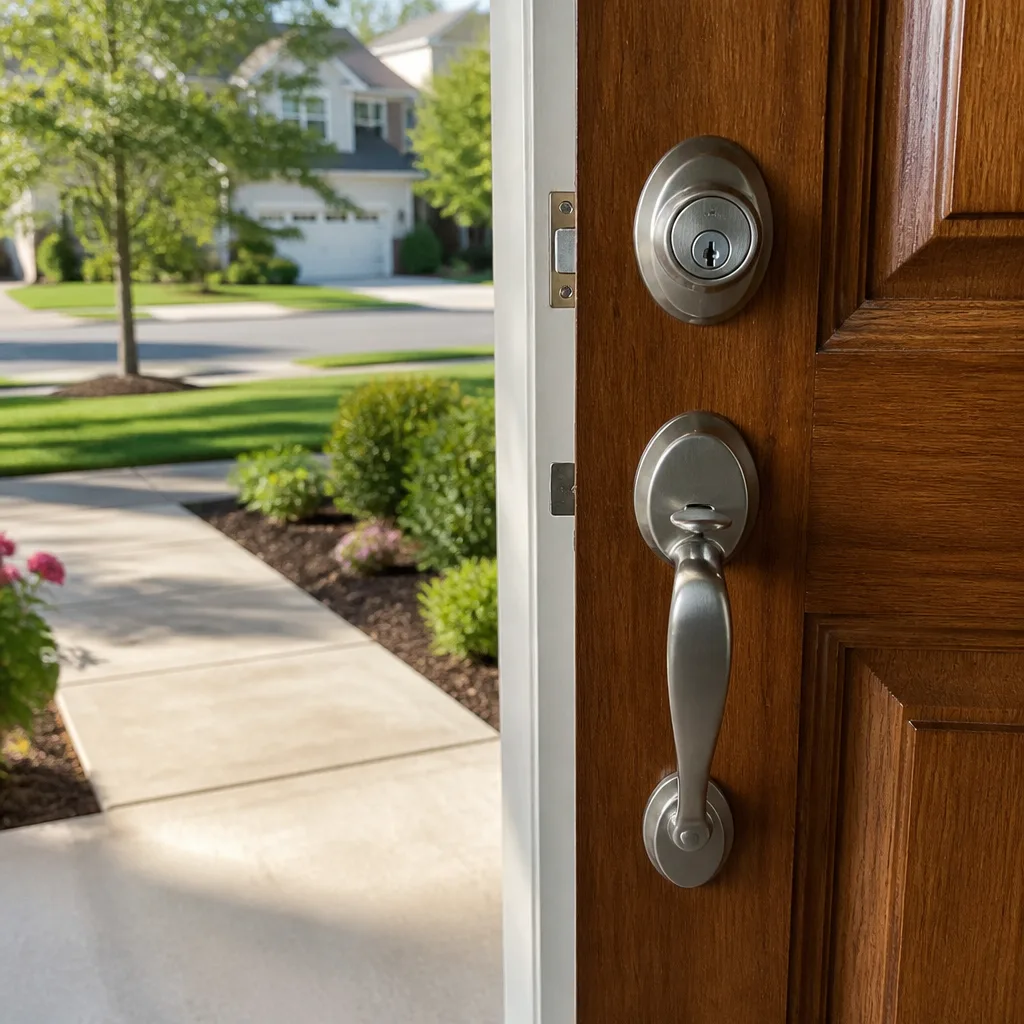
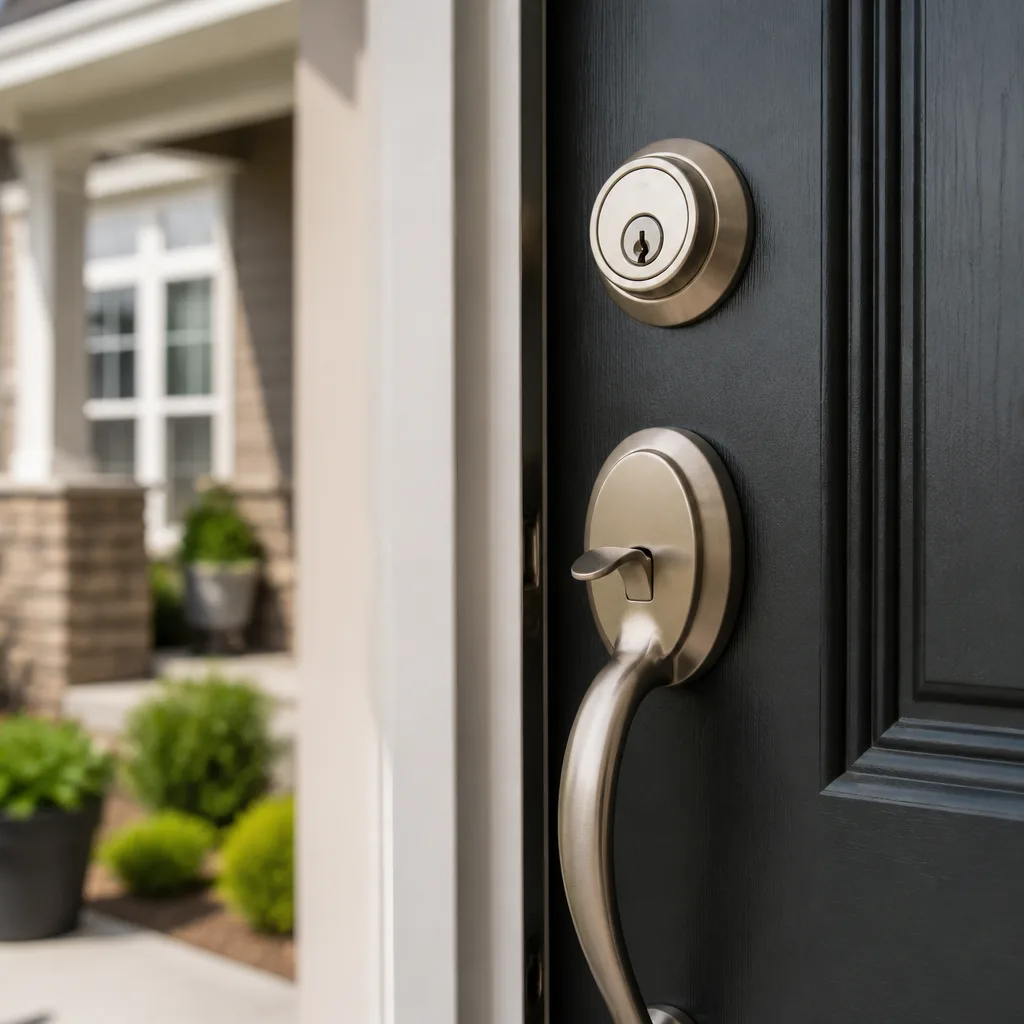
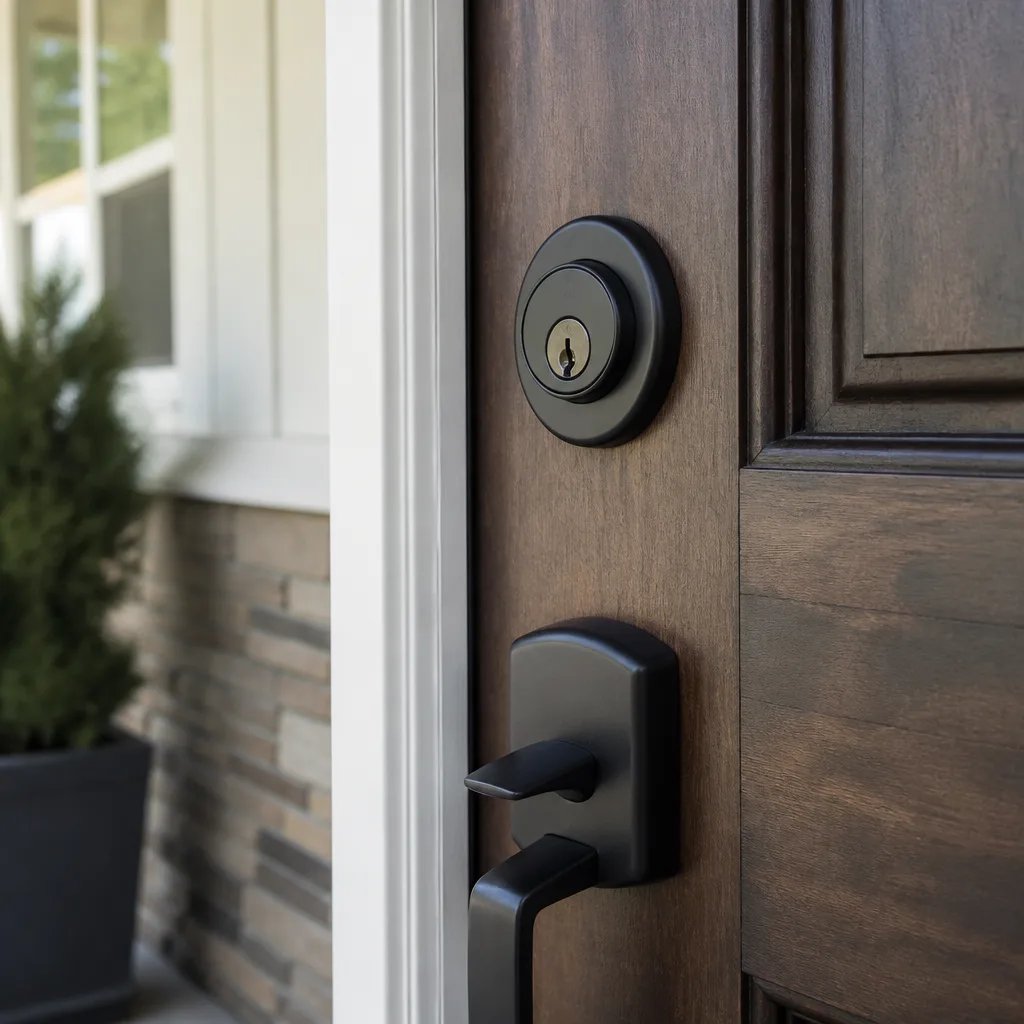
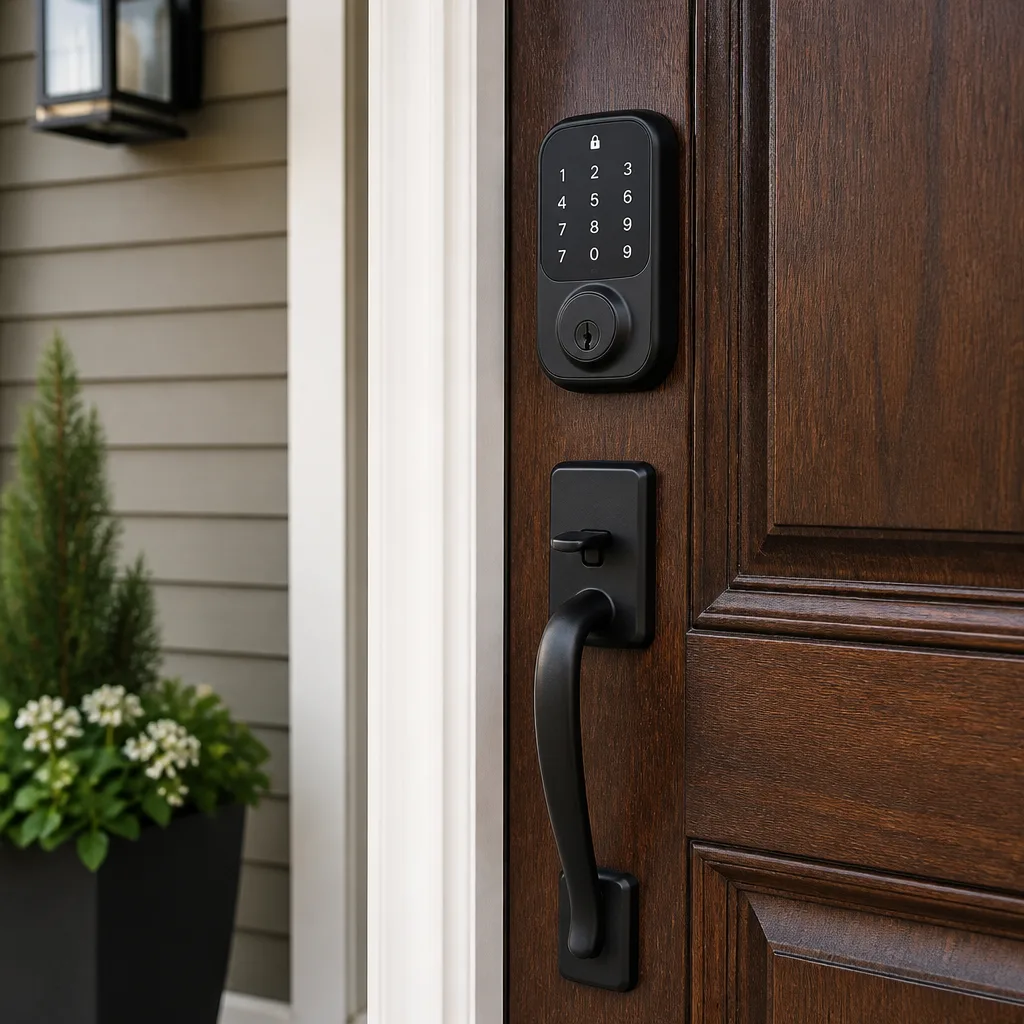
Seasonal Locksmith Care for New York: Year-Round Homeowner’s Guide
A lock that works fine in October will fail in February not because it wore out but because the brass cylinder contracted 0.3mm in 15-degree air - enough to bind a key that fit perfectly six weeks earlier. That is a lubrication issue, not a replacement issue. In New York, where buildings range from pre-war brownstones with original door frames to glass towers with precision-engineered hardware, seasonal lock failure follows a predictable calendar. This guide maps what fails, when it fails, and why the fix changes with the season - one of more guides & resources for New York property owners.
Quick Answer
Seasonal locksmith care in New York means four distinct maintenance windows: winter cylinder lubrication with graphite (not petroleum-based products), spring strike-plate realignment after freeze-thaw cycles shift door frames, summer humidity monitoring for wood door expansion, and fall weatherstripping replacement with deadbolt throw clearance verification. Done on this schedule, most emergency lockouts and premature lock replacements are avoidable, as detailed in our Commercial Locksmith Maintenance Checklist for New York Homeowners.
Table of Contents
- Winter: Frozen Cylinders and Contracted Brass
- Spring: Frame Shift and Strike Plate Misalignment
- Summer: Humidity, Wood Expansion, and Latch Drag
- Fall: Weatherstripping and Deadbolt Throw Clearance
- Year-Round: Keyway Cleaning and Particulate Buildup
- A Written Maintenance Schedule for New York Homes
- Common Mistakes to Avoid
- When to Call a Professional
- Frequently Asked Questions
Winter: Frozen Cylinders and Contracted Brass
New York’s January average low of 26 degrees Fahrenheit creates a specific mechanical problem: brass lock cylinders contract more than the steel housings surrounding them. The result is binding, sticking, and keys that suddenly require force to turn. We see this spike in calls every February from neighborhoods like Park Slope, Astoria, and the Upper West Side, where pre-war buildings with original exterior doors are common.
The wrong response is WD-40 or any petroleum-based lubricant. These products attract grit and, in cold temperatures, thicken into a gum that accelerates wear on pin tumblers. The correct lubricant for New York winter lock maintenance is dry graphite powder or a silicone spray formulated for sub-freezing use. Graphite bonds to the metal surface without residue. Silicone spray displaces moisture and maintains viscosity to approximately -35 degrees Fahrenheit.
Here is the procedure we document on winter maintenance calls:
- Remove the key and inspect the keyway with a flashlight for visible ice or corrosion.
- Apply graphite sparingly - one short puff from a graphite tube, or two seconds of silicone spray directed into the keyway.
- Insert and remove the key five times to distribute the lubricant across pin tumblers.
- Test the lock at both 90-degree positions (locked and unlocked) before considering the job complete.
For buildings with chronic moisture infiltration, such as ground-floor units in flood-prone parts of Red Hook or Gowanus, we recommend a weatherproof cylinder cover as a permanent addition. These are machined aluminum sleeves that deflect precipitation without trapping condensation. Installation takes approximately 20 minutes and is quoted in writing before we start, per Haven Standard Clause 1.
A note on frozen locks specifically: if the cylinder is iced internally, do not pour hot water on it. The thermal shock can crack brass components, and the water refreezes within minutes in New York’s wind chill. A hair dryer on low heat, or a commercial lock de-icer containing isopropyl alcohol, is the safe approach. If the lock does not free within five minutes, the mechanism may be damaged and require professional disassembly.
Residential locksmith services in New York from Novak Lock & Security New York include winterization inspections that cover cylinder condition, frame alignment, and weatherstripping integrity - priced in writing before dispatch.
Spring: Frame Shift and Strike Plate Misalignment
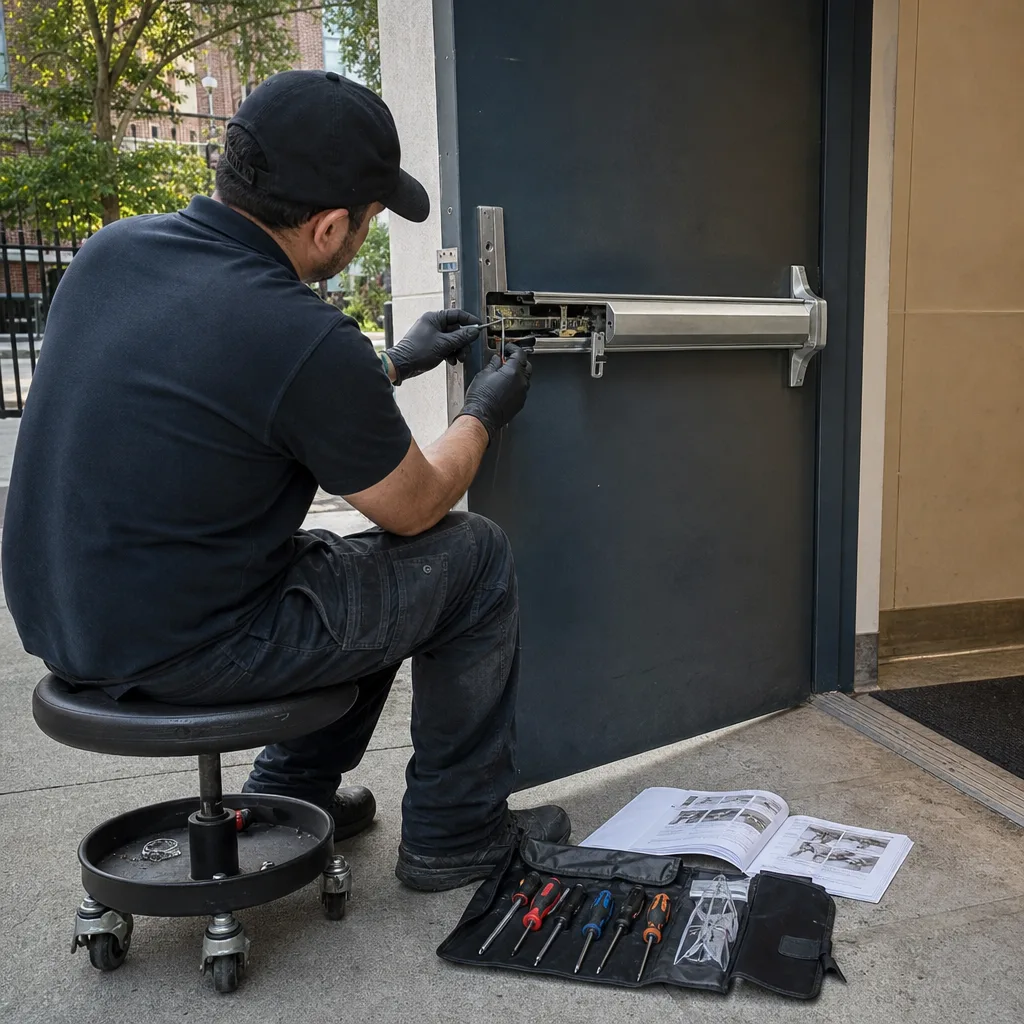
March and April in New York bring the freeze-thaw cycle that shifts masonry, warps wood, and loosens door frames that were stable in November. The symptom is a deadbolt that requires shoulder pressure to extend, or a latch that misses the strike plate entirely. Homeowners in brownstones and rowhouses - common in Brooklyn Heights, Bed-Stuy, and Harlem - experience this most acutely because these structures move as single units rather than as isolated door frames.
The diagnostic question is whether the misalignment is in the frame, the door, or the hardware. We check this in sequence:
- Close the door and observe the gap between door and frame at the hinge side, latch side, and threshold. Uneven gaps indicate frame shift.
- With the door open, operate the deadbolt by hand. If it extends smoothly without the door in the frame, the lock mechanism is sound.
- Mark the strike plate with lipstick or chalk, close the door, and attempt to throw the deadbolt. The mark shows exactly where the bolt contacts the plate.
Frame shift of less than 1/8 inch is usually correctable by adjusting or replacing the strike plate. Larger movement indicates structural settling that requires a carpenter or structural engineer, not a locksmith. We tell customers this directly. Haven Standard Clause 4 requires that we document what we found, not perform work that masks a larger problem.
For strike plate adjustment, we remove the existing plate, fill the old screw holes with hardwood dowels and carpenter’s glue, and reposition the plate to match the new bolt path. In limestone or brick buildings common on the Upper East Side, we may need to use masonry anchors rather than wood screws. The material cost difference is quoted separately and approved before work proceeds.
Spring is also when we recommend rekeying for New York homeowners who have had winter subletters, Airbnb guests, or service personnel with key access. Rekeying in New York typically runs $19-$35 per cylinder for standard pin-tumbler locks, with high-security cylinders such as Medeco or Mul-T-Lock priced individually based on complexity. Every rekey includes new keys and a documented photo record of the completed work.
Summer: Humidity, Wood Expansion, and Latch Drag
New York’s July humidity averages 68 percent, and in non-climate-controlled buildings, solid wood doors absorb moisture and expand across the grain. A door that closed cleanly in April now requires a hip check. The latch drags against the strike plate. The deadbolt binds in its bore. These are not lock failures. They are dimensional changes in the door slab.
The threshold question for a homeowner is whether the problem is temporary or progressive. Temporary expansion from a humid week resolves when the weather breaks. Progressive expansion from a door that was improperly sealed, or from a building with chronic moisture problems, indicates the door itself needs attention.
We evaluate summer latch drag using this sequence:
- Measure the door-to-frame gap at multiple points with the door closed. A gap under 1/16 inch at any point suggests the door is oversized for its frame.
- Check the door’s top and bottom edges for finish wear. Bare wood absorbs moisture faster than sealed surfaces.
- Operate the lock with the door held slightly ajar. If it functions smoothly, the hardware is not at fault.
When the door is the problem, we refer the customer to a carpenter for planing or sanding. We do not modify doors. What we can address is hardware repositioning if the door has settled permanently into a new shape, or upgrading to adjustable ball-bearing hinges that reduce the friction causing the latch to drag. Ball-bearing hinges are particularly effective on heavy solid-core doors common in pre-war New York buildings.
Summer is also peak season for lockouts in New York, often because expanded doors self-lock when the latch catches on a misaligned strike. We answer these calls 24/7, with a live person on every call - no automated queue. The dispatcher quotes a firm price for the unlock, and the technician is contractually prohibited from changing it at the door. This rule has been in place since 2002.
For commercial properties in New York, summer brings a different issue: air conditioning load changes building pressure differentials, causing doors with door-closers to slam or fail to latch. This is a closer adjustment, not a lock problem, but the symptom is often reported as a lock failure. We diagnose this on site and refer to our commercial hardware partners when a closer rebuild or replacement is needed.
Fall: Weatherstripping and Deadbolt Throw Clearance
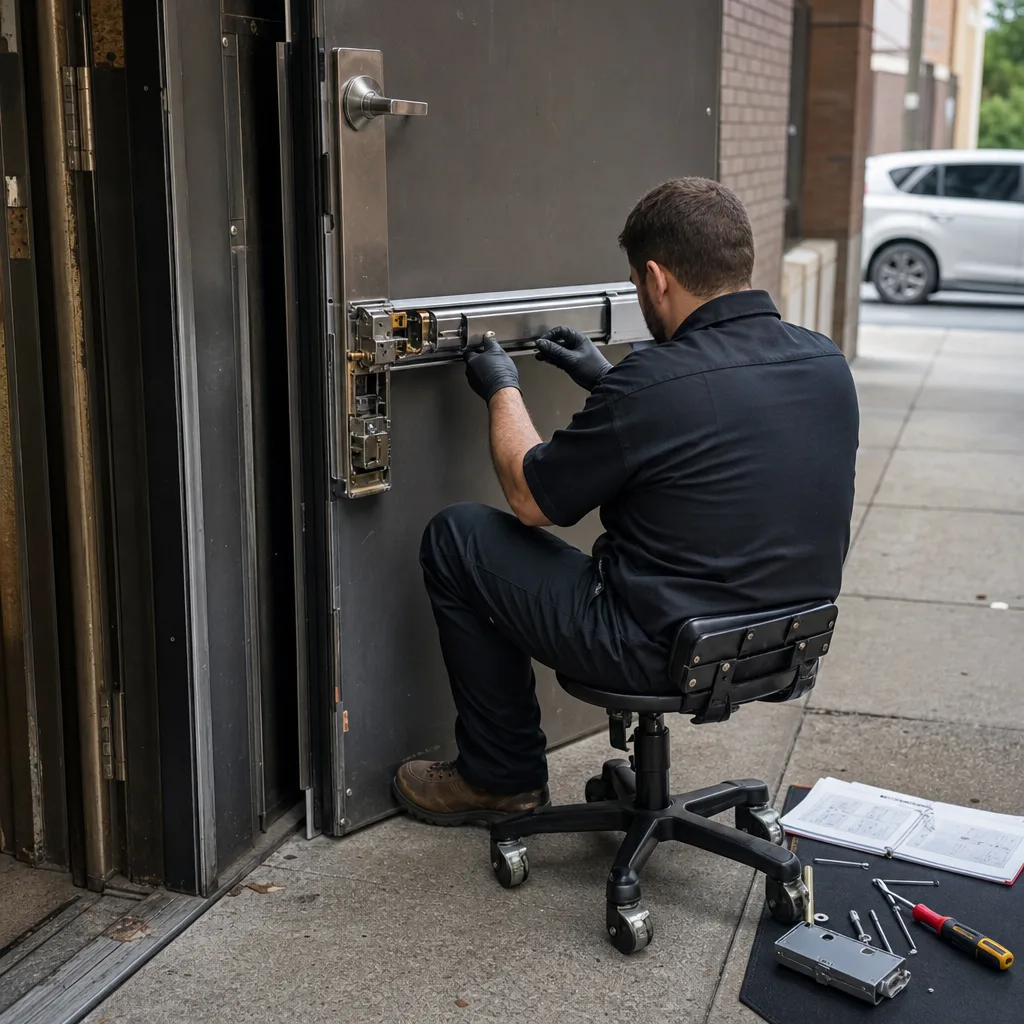
October is the correct month to replace weatherstripping in New York, before cold air reveals the gaps that summer humidity concealed. But weatherstripping replacement has a lock-specific dimension that most homeowners miss: deadbolt throw clearance.
The deadbolt throw is the length of the bolt that extends into the door frame when locked. Standard throws are 1 inch for residential deadbolts. When new weatherstripping is installed, it compresses the door slightly toward the frame, reducing the effective throw by the thickness of the weatherstripping material. A 1-inch throw with 1/4-inch compression weatherstripping becomes a 3/4-inch throw - below the 1-inch minimum that most insurance underwriters require for deadbolt coverage.
We measure this on every fall maintenance call:
- With the door closed and locked, measure the visible bolt extension from the door edge to the bolt face.
- Subtract the compressed thickness of the new weatherstripping (typically 1/8 to 1/4 inch for bulb-style seals).
- If the result is under 1 inch, either select thinner weatherstripping or replace the deadbolt with a model having a longer throw.
Schlage and Medeco both manufacture deadbolts with 1-1/8 or 1-1/4 inch throws for exactly this situation. The hardware cost difference is typically $15-$40 above a standard throw model. We quote both options in writing before installation.
Fall is also when we inspect and replace worn hinge screws in New York’s heavier doors. Stripped or undersized screws allow the door to sag, which compounds winter binding and spring misalignment. We use 3-inch case-hardened screws that bite into the structural framing behind the jamb, not just the jamb itself. This is standard on every hinge adjustment we perform, documented in the photo record left with the customer.
For buildings with access control systems in New York, fall maintenance includes verifying that electric strikes and maglocks are rated for the temperature range they will face. Surface-mounted maglocks can lose holding force in cold weather if condensation forms on the armature plate. We test holding force with a calibrated gauge and document the result.
Year-Round: Keyway Cleaning and Particulate Buildup
New York’s particulate environment is distinct from suburban or rural markets. Construction dust, subway brake particulate, and general urban grit enter keyways at rates that surprise homeowners who moved from cleaner air markets. The result is accelerated pin wear, key binding, and premature cylinder failure.
The cleaning interval depends on use and location:
| Door Type | Environment | Recommended Cleaning Interval |
|---|---|---|
| Residential front door | Street-level, high traffic | Every 12 months |
| Residential front door | Elevated floor, low traffic | Every 18-24 months |
| Commercial entry | Ground floor, retail or office | Every 3-6 months |
| Commercial service entrance | Alley, loading dock, construction adjacent | Every 1-3 months |
Keyway cleaning is not lubrication. It is the removal of accumulated grit using compressed air, a soft brush, and specialized keyway cleaning tools. We then apply the correct lubricant for the season. For high-use commercial doors in particulate-heavy environments, we also recommend periodic cylinder replacement before wear becomes failure - typically every 7-10 years for standard cylinders, 10-15 years for high-security models with harder pin materials.
Since 2002, Novak Lock & Security New York has installed or serviced over 60,000 locks, keys, and systems. Every one began with a written price and ended with a documented record. The 365-Day Done Right Promise applies to all work, including seasonal maintenance visits.
A Written Maintenance Schedule for New York Homes
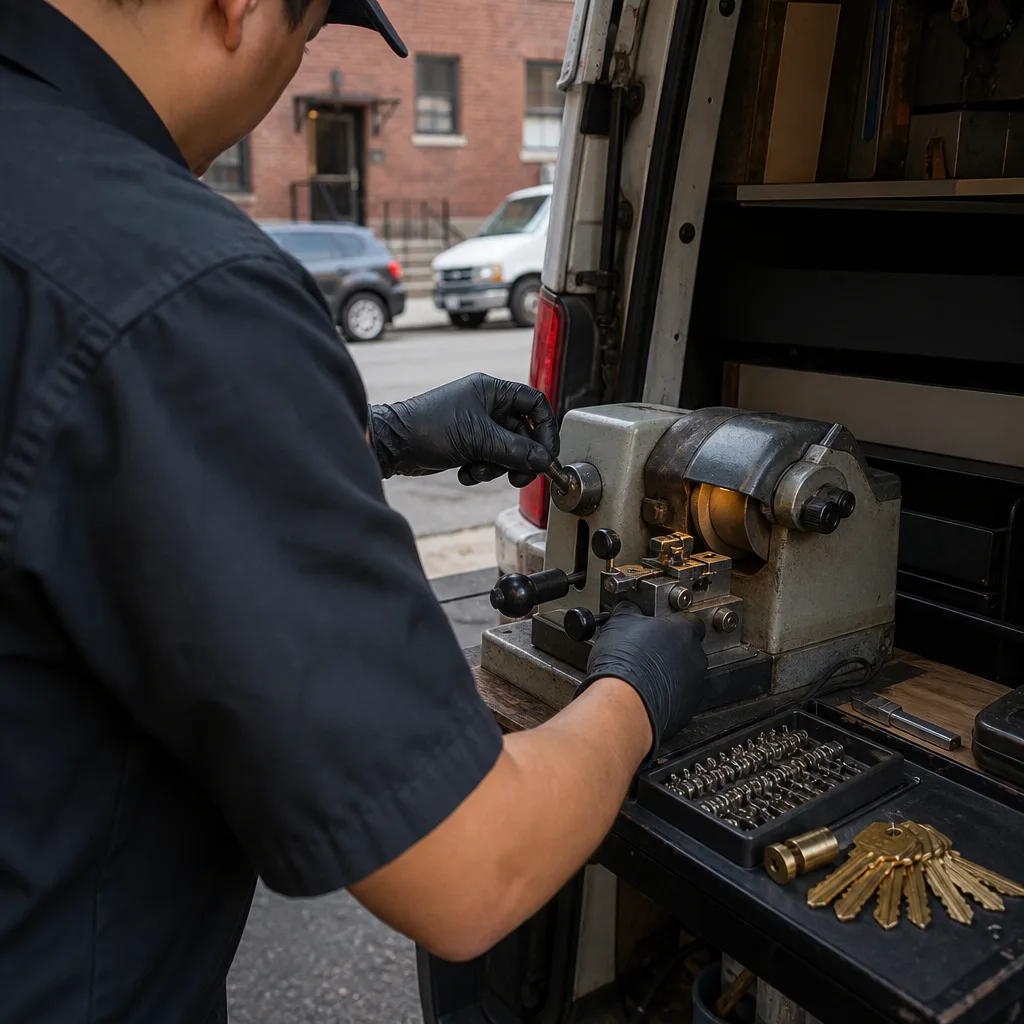
We provide this schedule to customers who request a seasonal maintenance plan. It is specific to New York’s climate and building stock:
- January-February: Cylinder lubrication with graphite or sub-freezing silicone spray. Inspect for ice damage. Test all keys for smooth operation.
- March-April: Strike plate alignment check after freeze-thaw. Inspect frame condition. Rekey if winter access changes warrant.
- May-June: Measure door expansion and latch drag. Verify finish integrity on door edges. Adjust or replace hardware as needed.
- July-August: Monitor for progressive humidity damage. Inspect closer operation on commercial doors. Verify air conditioning pressure differentials.
- September-October: Replace weatherstripping. Measure deadbolt throw clearance with new weatherstripping compressed. Upgrade throw if needed.
- November-December: Final lubrication before cold. Inspect hinge screws and structural attachment. Document condition for winter baseline.
This schedule can be performed by a knowledgeable homeowner for basic items. Cylinder disassembly, frame structural evaluation, and high-security hardware service require professional tools and training. We offer free estimates for any item on this list - call (551) 214-0800.
Common Mistakes to Avoid
- Using WD-40 or 3-in-1 oil in lock cylinders. These petroleum products attract urban grit and gum in cold temperatures, accelerating wear and causing winter binding that mimics a broken lock.
- Ignoring strike plate misalignment until the lock fails. A misaligned strike that requires shoulder pressure to lock will eventually bend the deadbolt tailpiece or crack the cam, turning a $30 adjustment into a $200 lock replacement.
- Installing weatherstripping without measuring deadbolt throw. New York insurance adjusters have denied claims where compressed weatherstripping reduced throw below 1 inch, voiding the deadbolt clause in homeowner policies.
- Calling a locksmith for a carpenter’s problem. Door expansion from humidity, frame rot from leaks, and structural settling require different trades. We document what we found and refer appropriately - Haven Standard Clause 4.
- Rekeying without inspecting cylinder wear. A worn cylinder with rounded pin chambers will fail soon regardless of new keys. We measure pin travel and chamber condition before rekeying and report what we found.
- Skipping keyway cleaning in high-particulate environments. Construction-adjacent properties in developing neighborhoods like Long Island City or the Brooklyn waterfront experience accelerated cylinder wear that cleaning prevents.
- Accepting verbal estimates for lock work. The bait-and-switch call-out operation quotes low verbally and invents surcharges at the door. Novak Lock & Security New York is contractually prohibited from this practice - Clause 1 since 2002.
When to Call a Professional
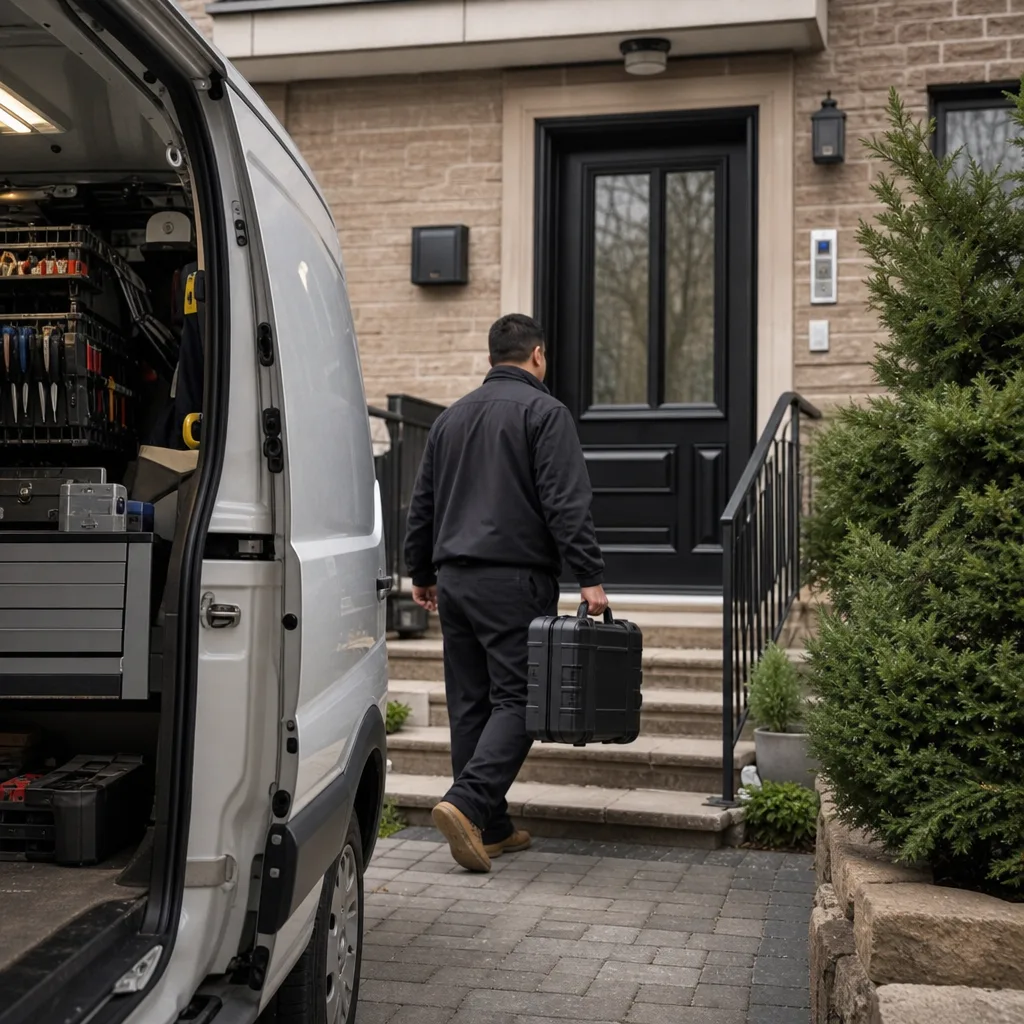
Call a locksmith when the problem involves the lock mechanism itself: sticky pins, broken keys, worn cams, or security upgrades. Call a carpenter when the door or frame is damaged, swollen, or structurally shifted. We diagnose on site and tell you which trade you need, even when that means no billable work for us.
Specific scenarios that require professional locksmith service: keys broken in cylinders, high-security cylinders (Medeco, Mul-T-Lock, Abloy) that need service, any lockout situation, rekeying after tenant or employee turnover, and installation of locks on fire-rated doors where code compliance is required. New York building code requires specific hardware on fire-rated assemblies - we verify rating labels before quoting.
Novak Lock & Security New York offers free estimates in New York. Every dispatch is preceded by a written price, performed by a background-checked, uniformed technician, and documented with a photo record left with the customer. Call (551) 214-0800.
Frequently Asked Questions
A seasonal maintenance visit from Novak Lock & Security New York typically runs $89-$149 for residential properties, covering lubrication, alignment check, and hardware inspection. Commercial properties with multiple doors or access control integration are quoted individually based on scope. Every price is delivered in writing before dispatch - call (551) 214-0800 for an exact quote; estimates are free.
Yes. Haven Standard Clause 1 states that the price quoted by the dispatcher is the price on the invoice. Our technicians are contractually prohibited from changing it at the door. This rule has been in place since 2002. If we discover additional required work during the visit, we stop, explain, and obtain written approval before proceeding.
Emergency lockout response in New York averages 20-35 minutes depending on neighborhood and traffic conditions. Calls are answered by a live person 24/7 - no voicemail queue, no callback window. The dispatcher quotes a firm unlock price before the technician is dispatched.
Dry graphite is safe for standard pin-tumbler cylinders including Schlage, Kwikset, and Yale residential lines. It is not recommended for disc-detainer or sidebar mechanisms found in some high-security locks, where manufacturer-specified lubricants are required. We identify the mechanism type on site and apply the correct product.
Brass cylinders contract in cold air while steel housings contract less, creating binding. Simultaneously, door frames shrink slightly, changing strike plate alignment. Both issues are correctable with seasonal lubrication and strike adjustment - not lock replacement, which is the wrong diagnosis we encounter frequently.
Operate the lock with the door held open. If it functions smoothly, the mechanism is sound and the problem is frame or door alignment. If it binds even with no frame contact, the cylinder or bolt mechanism is worn and requires service or replacement. We perform this test on every diagnostic call and report what we found.
The Bottom Line
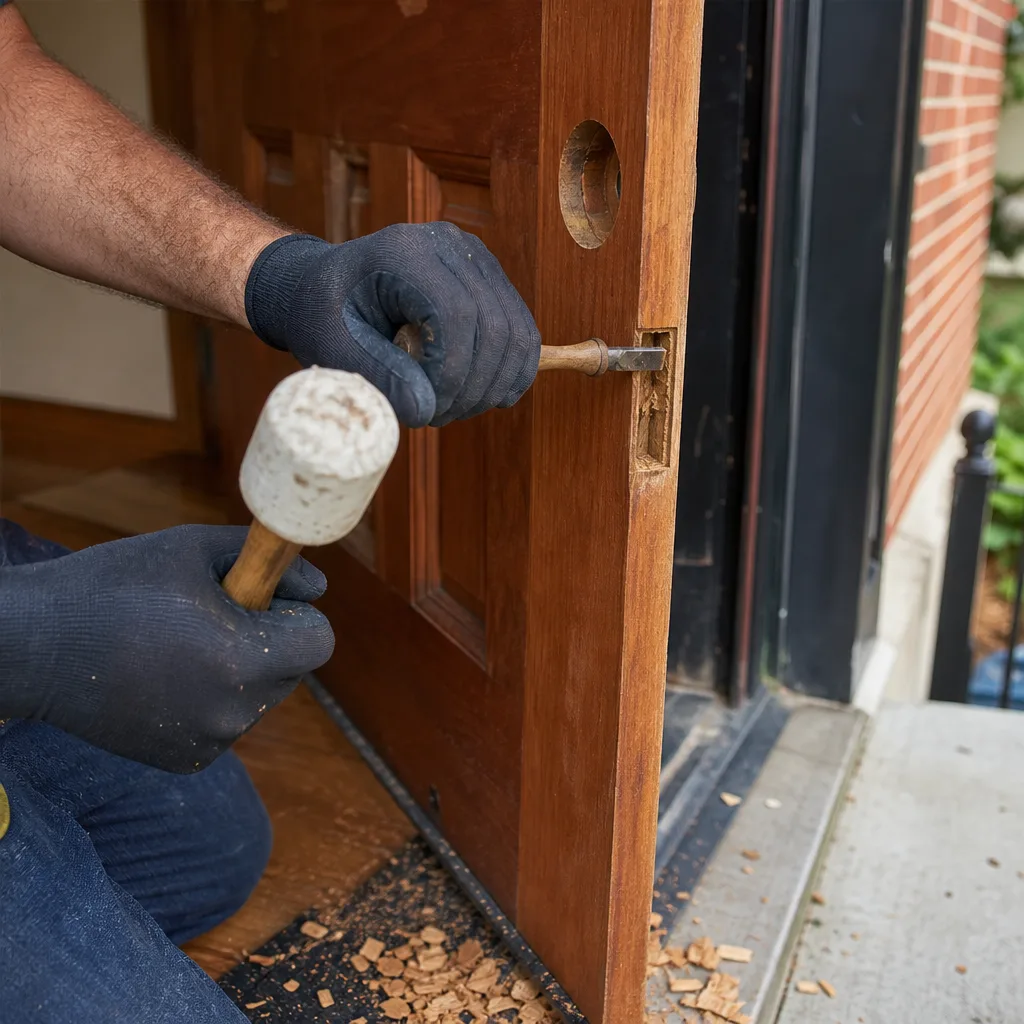
New York’s seasonal lock problems are predictable and largely preventable. Winter demands correct lubrication, spring requires strike realignment after freeze-thaw, summer calls for humidity monitoring, and fall needs weatherstripping with throw clearance verification. Year-round, particulate cleaning extends cylinder life in urban conditions. The common thread is that most seasonal lock failures are misdiagnosed as hardware problems when they are environmental responses. Correct diagnosis saves the cost of unnecessary replacement. Novak Lock & Security New York documents what we find, quotes every price in writing, and guarantees the work for 365 days.
Written by Daniel Novak, Owner at Novak Lock & Security New York, serving New York since 2002.